synthetic rattan, aluminium or wood? Which material is best for garden furniture?
Not sure which material to choose for your garden furniture? Poly rattan, aluminium or wood – each has its advantages and disadvantages. Read our guide to help you make the best choice for your garden.
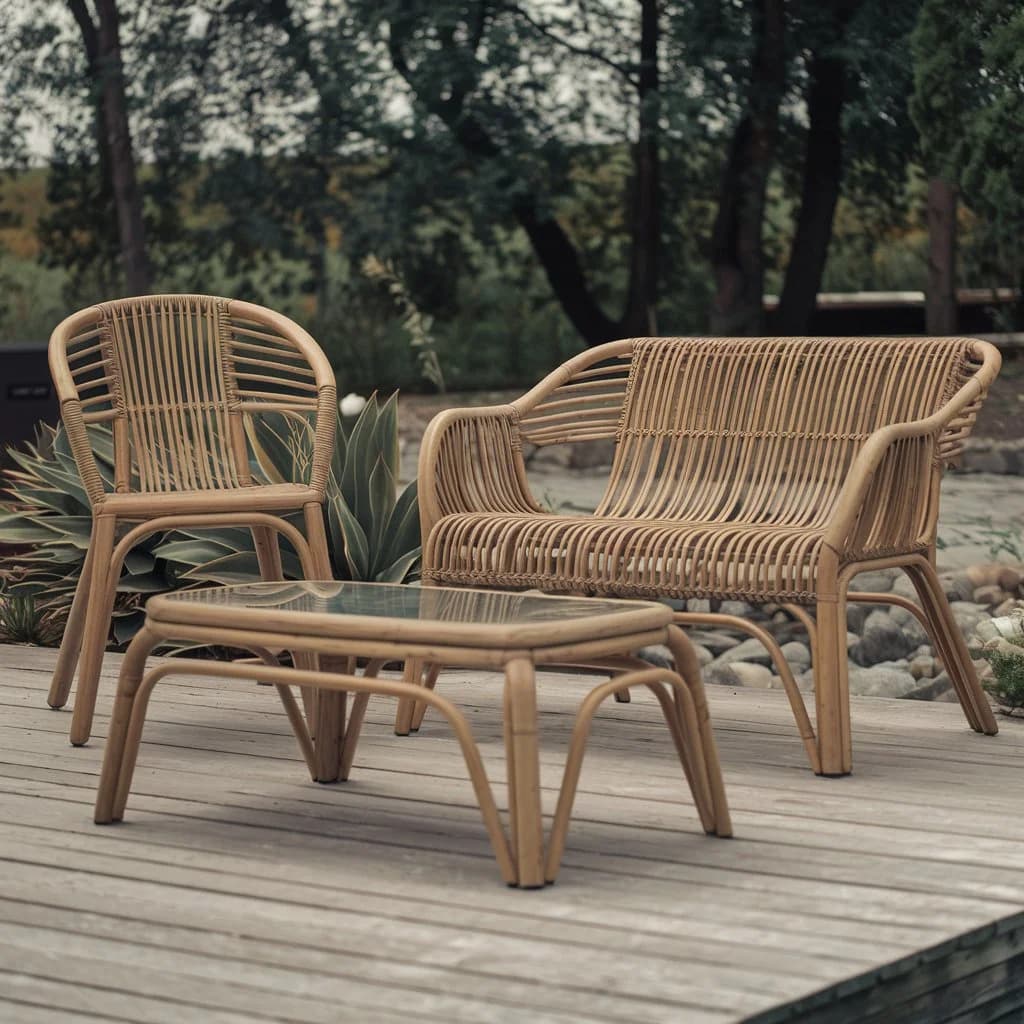
Garden furniture is not just a functional feature, but also a decorative one that gives character to an outdoor space. Choosing the right furniture, however, is often a dilemma – is it better to opt for the elegance of technorattan, the modern look of aluminium or the natural charm of wood? Each of these materials has its own unique features, advantages and limitations. In this article, we’ll discuss the characteristics of garden furniture made from technorattan, aluminium and wood. We’ll compare their durability, appearance, resistance to weather conditions and cost to help you make the best decision.
Technorattan – a modern and durable choice.
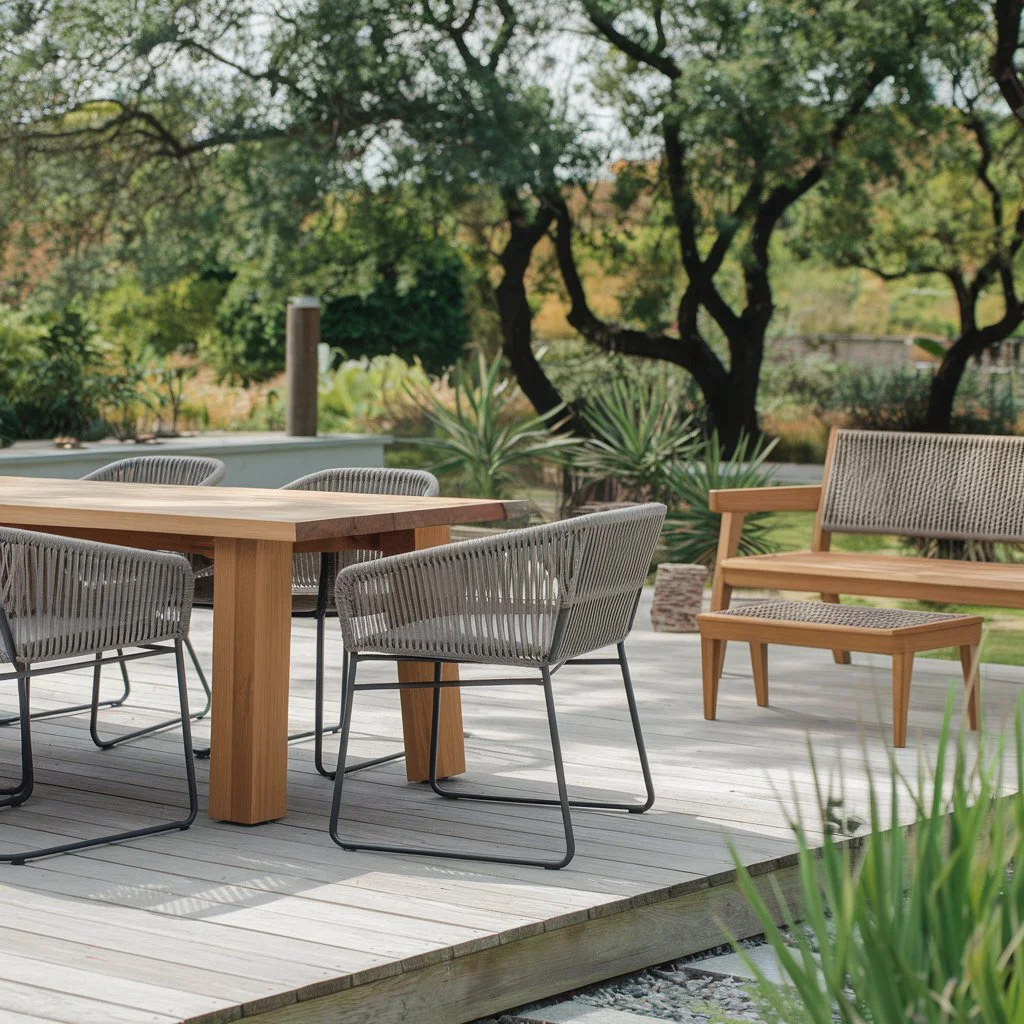
Technorattan is one of the most popular materials used to make garden furniture. It is a synthetic material that imitates natural rattan but is much more resistant to external factors.
Technorattan furniture stands out for its elegant appearance, which suits both modern and classic garden designs. It is available in many colours and styles, from minimalist sets to large corner sofas and loungers.Advantages of technorattan:
- Resistance to weather conditions: Technorattan is waterproof and resistant to UV radiation and changing temperatures, so it does not fade or crack.
- Easy to maintain: Furniture made from this material is easy to clean – simply wipe it with a damp cloth.
- Lightweight: It is lightweight, making it easy to carry and move around.
- Appearance: It looks stylish and elegant, perfectly imitating natural rattan.
Disadvantages of technorattan:
- Price: High-quality technorattan can be quite expensive.
- Artificial appearance: For lovers of natural materials, it may seem less authentic than wood.
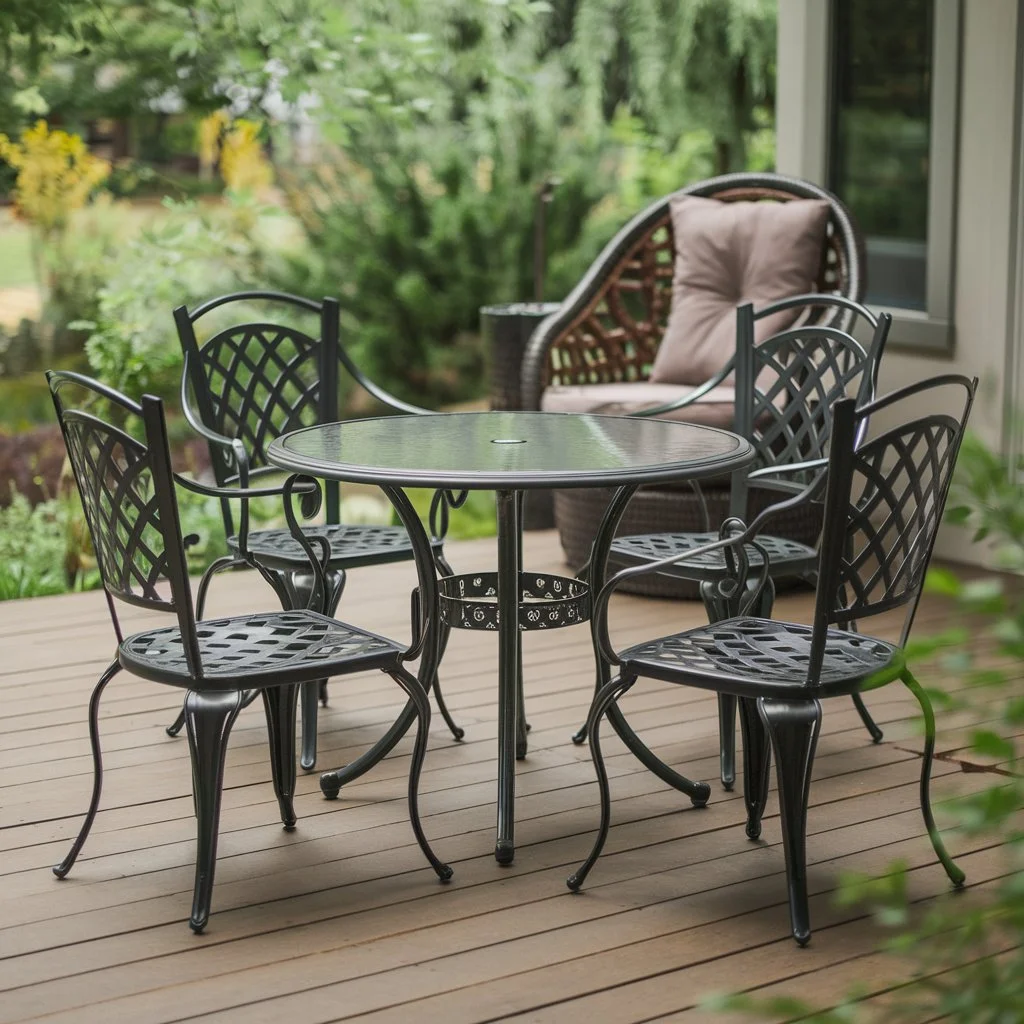
Aluminium – lightweight and modern.
Garden furniture made from aluminium is the epitome of modernity and minimalism. Thanks to its light weight and resistance to corrosion, it is an excellent choice for industrial- or Scandinavian-style gardens.
Aluminium is a material that does not rust, making it ideal for patios and balconies, where contact with water is unavoidable. Aluminium furniture is often combined with other materials, such as wood or technorattan, allowing for a unique appearance.
Advantages of aluminium:
- Durability: Aluminium is resistant to corrosion and changing weather conditions.
- Lightweight: Aluminium furniture is easy to carry and store.
- Modern design: It often has a minimalist, elegant appearance that fits in with the latest trends.
- No maintenance required: Aluminium does not require impregnation or any special care.
Disadvantages of aluminium:
- Cool appearance: Some people may find aluminium furniture too austere.
- Stability: Due to its light weight, it may be less stable in strong winds.
Wood – a timeless classic with character.
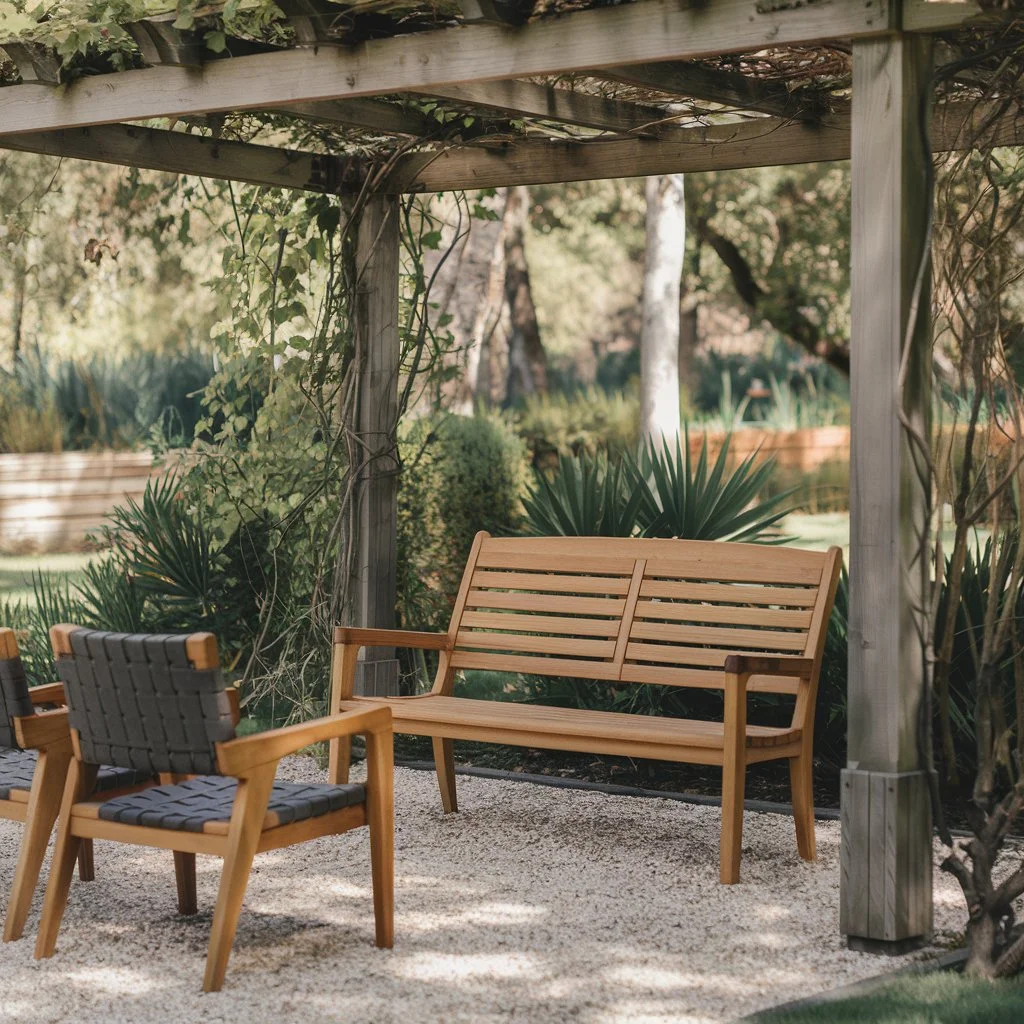
Wooden garden furniture is a timeless choice that never goes out of fashion. Made from natural materials such as teak, acacia or pine, it brings warmth and authentic charm to the garden.
Each type of wood has its own unique properties – teak is moisture-resistant and very durable, acacia is known for its beautiful grain, while pine is a lightweight and economical option.
Advantages of wood:
- Natural appearance: Wood brings warmth to the garden and creates harmony with nature.
- Versatility: It suits every style, from rustic to modern.
- Durability: With proper care, wooden furniture can last for many years.
Disadvantages of wood:
- Requires maintenance: To prevent moisture, fungi or UV radiation from damaging the wood, it must be impregnated regularly.
- Price: High-quality wood, such as teak, can be expensive.
- Weight: Wooden furniture is heavier than furniture made from aluminium or technorattan, which can make it harder to move.
Comparing materials: which should you choose?
Choosing the best material for garden furniture depends on several factors, such as the style of your garden, your budget and how much maintenance you are prepared to do.
- Technorattan is ideal if you are looking for stylish, easy-care furniture that is weather-resistant.
- Aluminium is a great option for those who prefer modern design and lightweight, mobile solutions.
- Wood is a good choice for natural and rustic gardens, where harmony with the surroundings is important.
Summary.
Technorattan, aluminium and wood are the three materials that dominate the world of garden furniture, each with its own unique features and benefits. Technorattan impresses with its elegance and resistance to weather conditions, aluminium stands out for its modern design and light weight, while wood appeals with its warmth and natural look.
The right material for you should depend on your needs, your chosen style and how much maintenance you are prepared to do. Whatever you decide, well-chosen garden furniture will make your outdoor space the perfect place to relax and meet with loved ones.
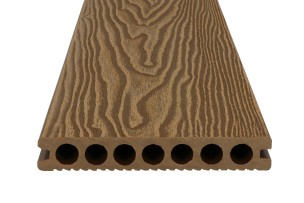
DUO 23x148 composite decking board - 4,0 m
Price per 1 m of board: 21,29 zł
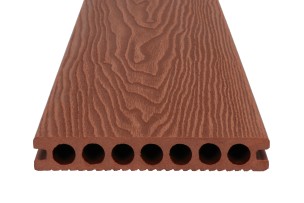
DUO 23x148 composite decking board - 4,5 m
Price per 1 m of board: 21,30 zł
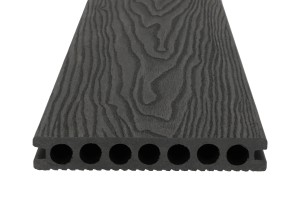
DUO 23x148 composite decking board - 5,0 m
Price per 1 m of board: 21,30 zł
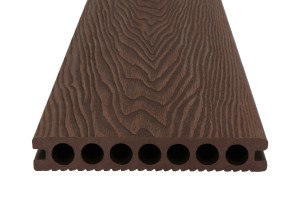
DUO 23x148 composite decking board - 3,5 m
Price per 1 m of board: 21,30 zł