
Grease Stains on Composite Decking Boards – Tried-and-Tested Methods.
Find out how to effectively remove greasy stains from composite material with our tried-and-tested methods. Practical advice and techniques to help you keep composite surfaces looking their best.
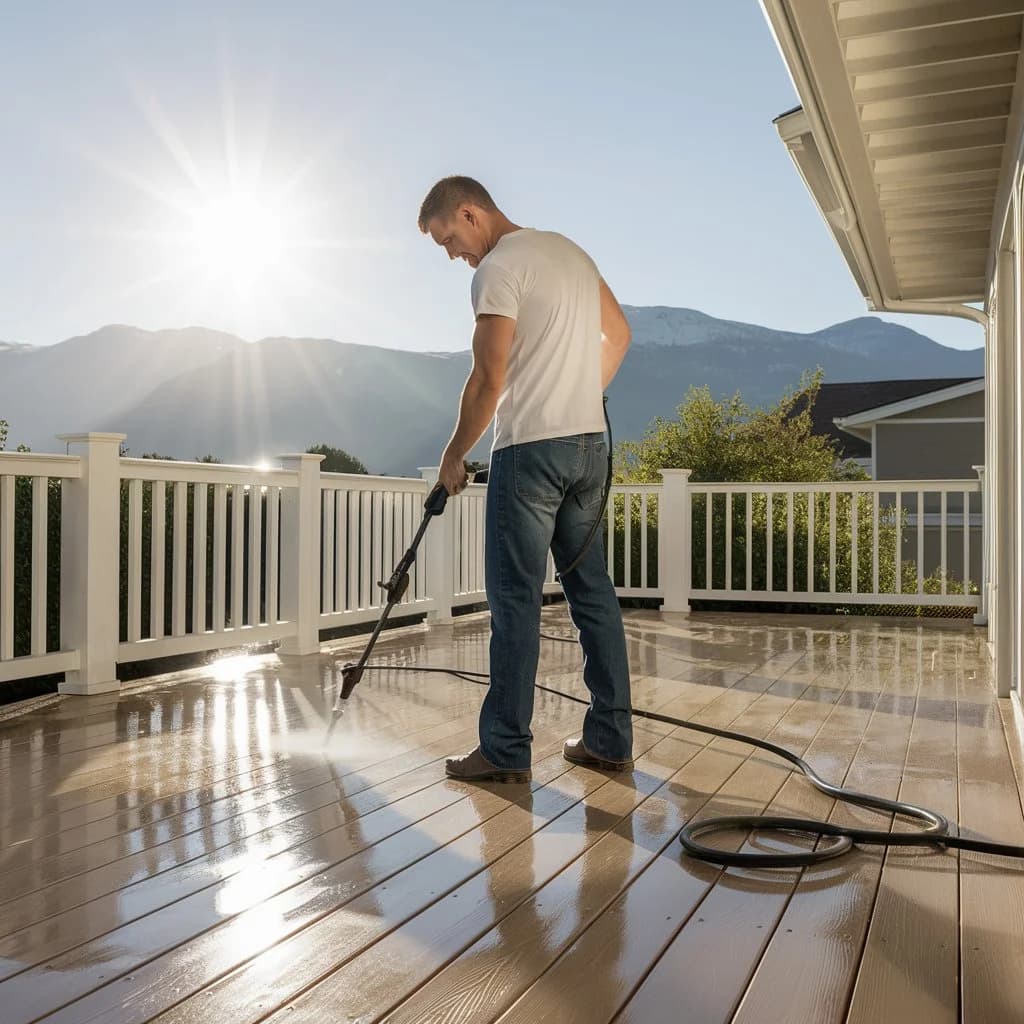
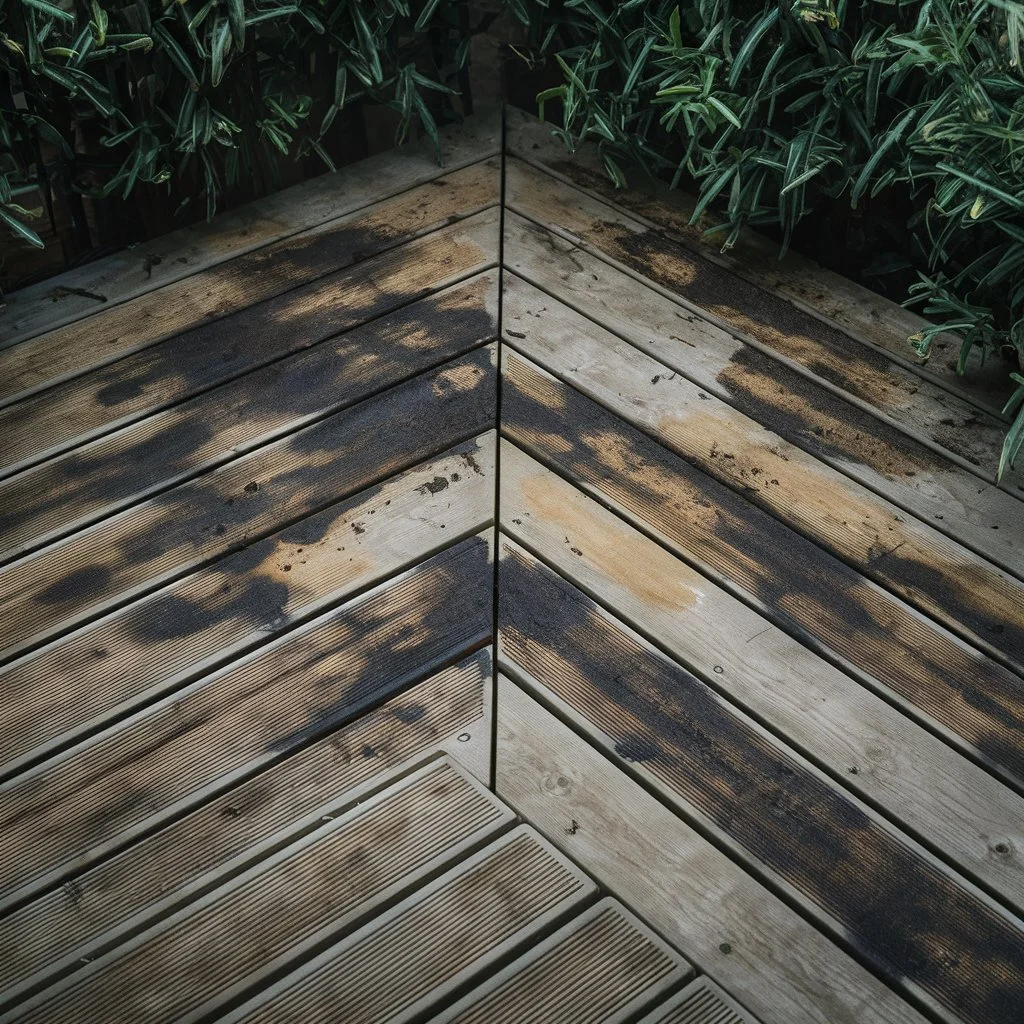
Composite decking boards are becoming an increasingly popular choice among homeowners, thanks to their durability, appearance and ease of maintenance. However, despite their many advantages, these boards can be prone to greasy stains, particularly on terraces, balconies and other outdoor surfaces. Tackling greasy stains on composite surfaces can be a real challenge; greasy marks can spoil their appearance and durability. In this article, we’ll outline proven ways to effectively remove greasy stains from composite and suggest how to prevent them from forming in the future.
What is composite and why is it difficult to clean?
Composite is a material made from a mixture of polymer resins and glass or carbon fibres, or other additives, which give it exceptional mechanical and aesthetic properties. Thanks to its durability and resistance to weather conditions, composite is a popular choice in many applications, from kitchens to gardens. However, its porous structure can allow greasy stains to penetrate the surface easily, making them difficult to remove.
Basic rules for cleaning composite.
Before we move on to specific methods for removing greasy stains, it’s worth remembering a few basic rules for cleaning composite, which will help prevent greasy stains from forming on composite decking boards:
- Regular cleaning: Wiping composite surfaces regularly with a damp cloth will help keep them clean and prevent greasy dirt from building up.
- Avoiding harsh products: Using overly harsh cleaning products can damage the composite surface. Choose mild but effective detergents.
- Removing stains immediately: The sooner you deal with stains, the easier they will be to remove. Don’t allow greasy stains to penetrate deep into the material.

Effective home methods for removing greasy stains from composite.
- Washing-up liquid.
Washing-up liquid is one of the most readily available and effective products for removing greasy stains. Here’s how to do it:
- Prepare a solution: Mix a few drops of washing-up liquid with warm water.
- Apply to the stain: Apply the solution to the greasy stain using a soft sponge or cloth.
- Scrub gently: Wipe the surface gently to avoid damaging the composite.
- Rinse and dry: Rinse with clean water and dry the surface with a soft cloth.
- Bicarbonate of soda and vinegar.
Bicarbonate of soda and vinegar are other household products that can effectively remove greasy stains from composite.
- Prepare a paste: Mix bicarbonate of soda with a small amount of water to make a thick paste.
- Apply the paste: Apply the paste to the greasy stain and leave it for a few minutes.
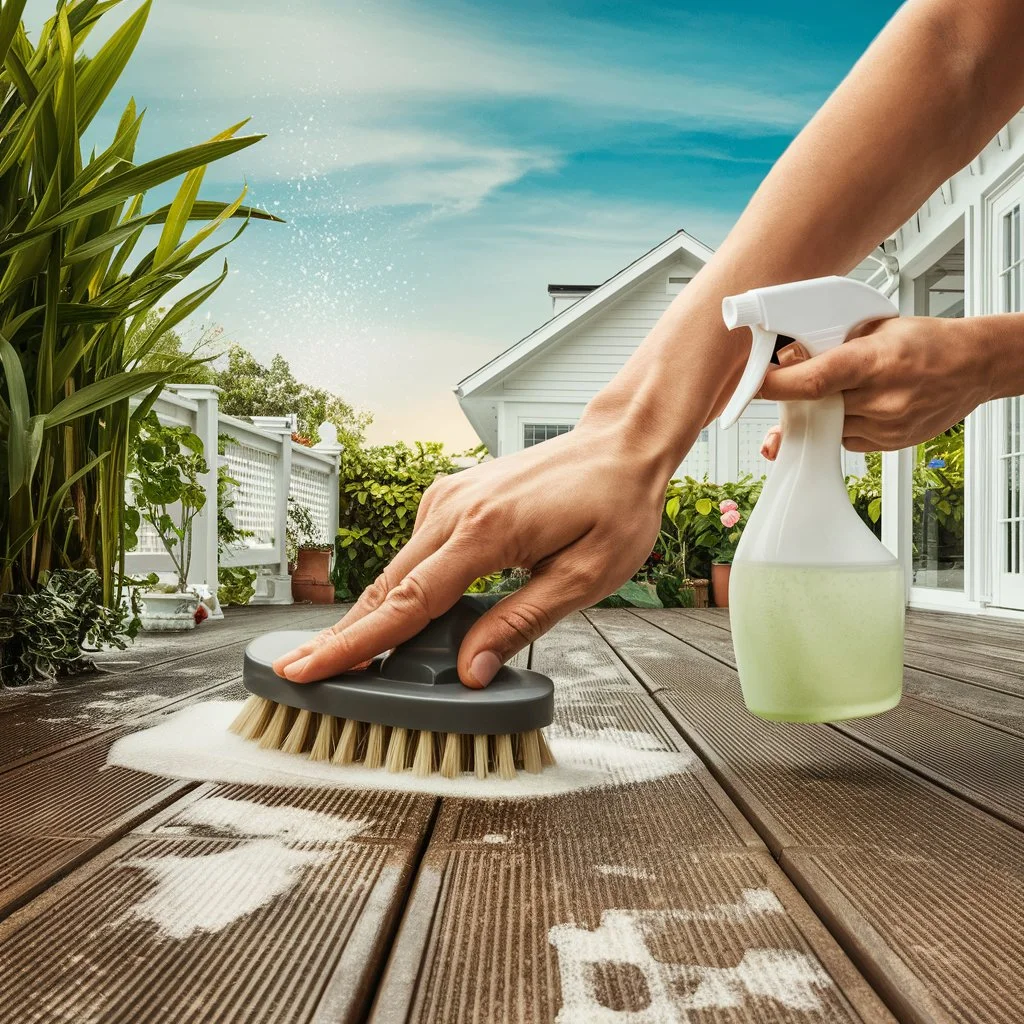
- Scrub: Gently scrub the paste with a soft brush.
- Rinse with vinegar: Rinse the surface with a solution of water and vinegar (in a 1:1 ratio), then rinse with clean water.
- Alcohol-based cleaning products.
Isopropyl alcohol or surgical spirit can also be useful for removing greasy stains.
- Apply the alcohol: Dampen a soft cloth with isopropyl alcohol.
- Wipe the stain: Gently wipe the greasy stain until it starts to disappear.
- Rinse: Rinse the surface with clean water and dry it.
Professional composite cleaning products.
If household methods don’t produce the desired results, it’s worth using professional cleaning products designed for composite. Many contain ingredients that effectively remove greasy dirt while protecting the surface from damage. Before using any such product, always read the manufacturer’s instructions and test it on a small, inconspicuous area. Here are some professional composite cleaning products:
- Owatrol Net-Trol - A cleaning product that restores the natural appearance of composite decking boards. It effectively removes discolouration, stains and dirt without damaging the surface.
- Kärcher 3-in-1 Patio Cleaner - A multi-purpose cleaner for wooden and composite terraces that removes dirt, algae and moss while protecting the surface.
- Woca Exterior Cleaner A product for cleaning and maintaining outdoor composite surfaces. It removes dirt, stains and algae, restoring the boards’ original appearance.
How can you prevent greasy stains from forming on composite?
Prevention is key to keeping composite surfaces in perfect condition. Here are some practical tips:
- Use coasters: Use coasters under hot dishes and protective mats to guard against greasy stains.
- Clean up spills immediately: Remove any spilled liquids and greasy substances straight away.
- Regular cleaning: Wipe composite surfaces regularly with a damp cloth and mild detergent.
- Protecting the surface: Using special protective products can provide additional protection for the composite against stains and dirt.
Alternative methods for cleaning composite.
Sometimes it is worth trying other, less conventional methods of cleaning composite, which can be just as effective at removing greasy stains.
- Steam cleaner.
Steam cleaners can be very effective at removing greasy stains thanks to the high temperature of the steam, which dissolves grease.
- Prepare the steam cleaner: Fill the steam cleaner with water and switch it on to heat up.
- Apply steam: Direct the steam jet at the greasy stain.
- Wipe with a cloth: After a few seconds, wipe the surface with a soft cloth.
- Baking powder.
Baking powder, like bicarbonate of soda, can be effective at removing greasy stains.
- Prepare the paste: Mix baking powder with a small amount of water to make a paste.
- Apply to the stain: Apply the paste to the greasy stain and leave it for a few minutes.
- Scrub: Gently scrub the paste with a soft brush.
- Rinse: Rinse the surface with clean water and dry it.
The most common mistakes when cleaning composite.
Unfortunately, we often make mistakes when cleaning composite, which can lead to surface damage. Here are a few of them:
- Using brushes that are too hard: Hard brushes can scratch the composite surface. Always use soft brushes or cloths.
- Using overly strong chemicals: Harsh cleaning products can damage composite. Choose mild detergents.
- Wiping the surface when dry: A dry cloth can scratch composite. Always use a damp cloth.
- Rinsing incorrectly: Improper rinsing can leave detergent residue on the surface. Make sure you rinse and dry the surface thoroughly.
FAQ - Frequently asked questions.
What are the best home remedies for removing greasy stains from composite?
The best home remedies are washing-up liquid, bicarbonate of soda and vinegar, and isopropyl alcohol.
Can I use bleach to clean composite?
Using bleach is not recommended, as it can damage the composite surface and cause discolouration.
How often should I clean composite surfaces?
Regular cleaning at least once a week will help keep composite surfaces in good condition and prevent greasy stains from building up.
Is a steam cleaner safe for composite?
Yes, a steam cleaner is safe for composite, provided it is used in accordance with the manufacturer's instructions and the surface is gently wiped after steaming.
Can pressure washers be used to clean composite?
Pressure washers can be too aggressive and damage composite, so it is recommended that you avoid them or use them at the lowest pressure setting.
Summary.
Greasy stains on composite surfaces can be a nuisance, but they can be removed effectively with the right cleaning methods. Regular cleaning, dealing with stains immediately and using suitable cleaning products will let you enjoy the immaculate appearance of composite worktops, furniture and other furnishings. Also remember prevention, which is key to keeping surfaces in ideal condition for longer.