
Do composite decking boards lose their colour? How can you ensure they last?
Do composite decking boards lose colour in the sun? Find out what factors affect colour fading and how to care for your boards properly so you can enjoy their appearance for years to come.
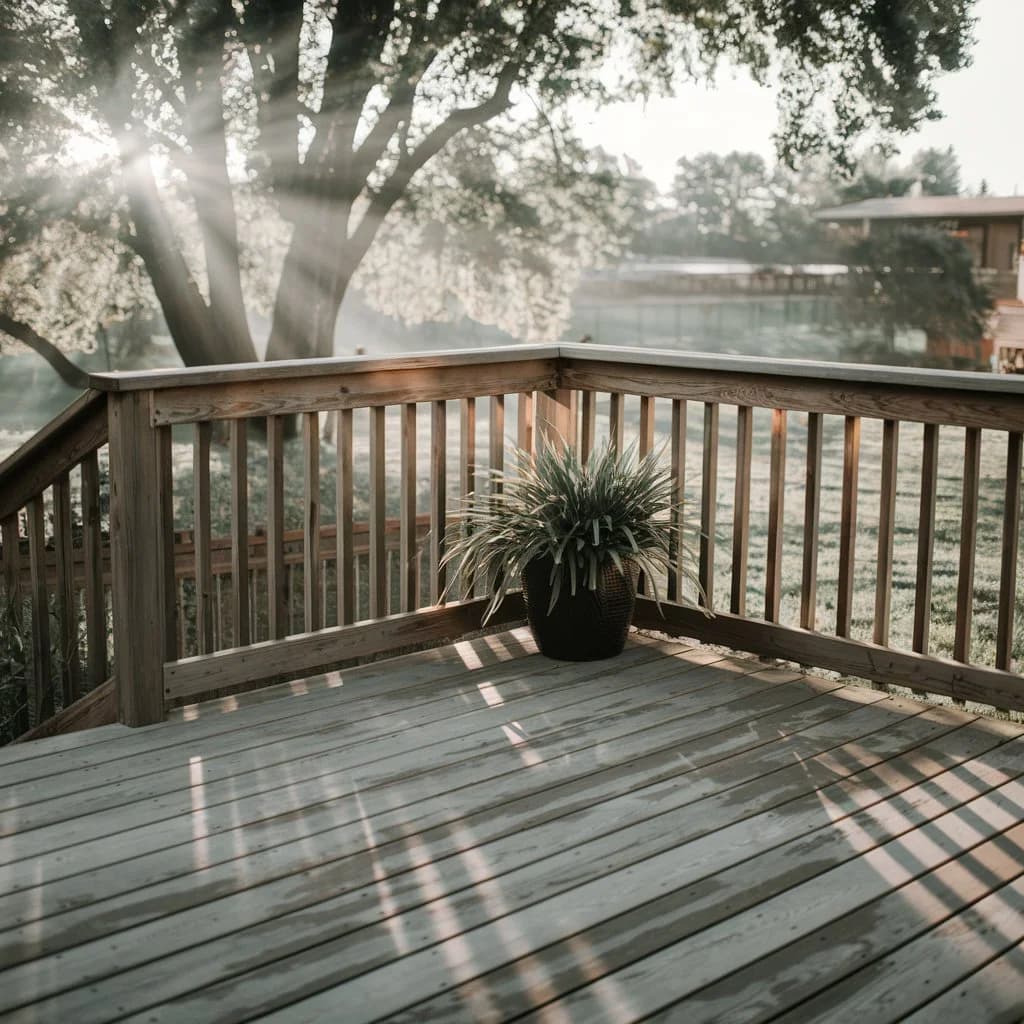
Composite decking boards are becoming increasingly popular as an alternative to traditional wood for building terraces, fences and other exterior architectural features. Combining wood fibres and plastics makes them resistant to weather conditions, easy to maintain and durable. One of the most common questions when choosing this material concerns colour loss. Do composite decking boards fade in the sun? How long do they retain their original colour? In this article, we will try to answer these questions and explain what affects the colour durability of composite decking boards.
What are composite decking boards?
Composite decking boards, also known as WPC (Wood-Plastic Composite), are made from a mixture of wood fibres and synthetic polymers. This combination brings together the appearance of wood and the durability of plastics. Composite decking boards are available in a range of colours and textures, allowing them to be matched to the architectural style of a building and garden.
Main advantages of composite decking boards:
- Weather resistance – composite decking boards are not damaged by rain, snow or frost.
- Resistance to mould and fungi – thanks to their hydrophobic properties, they do not absorb moisture, which prevents mould and fungi from developing.
- Easy to maintain – unlike wood, they do not require regular painting, treatment or oiling.
- Durability – they resist mechanical damage and do not crack or break.
However, despite their many advantages, colour durability is one of the main questions that arises in relation to composite decking boards.
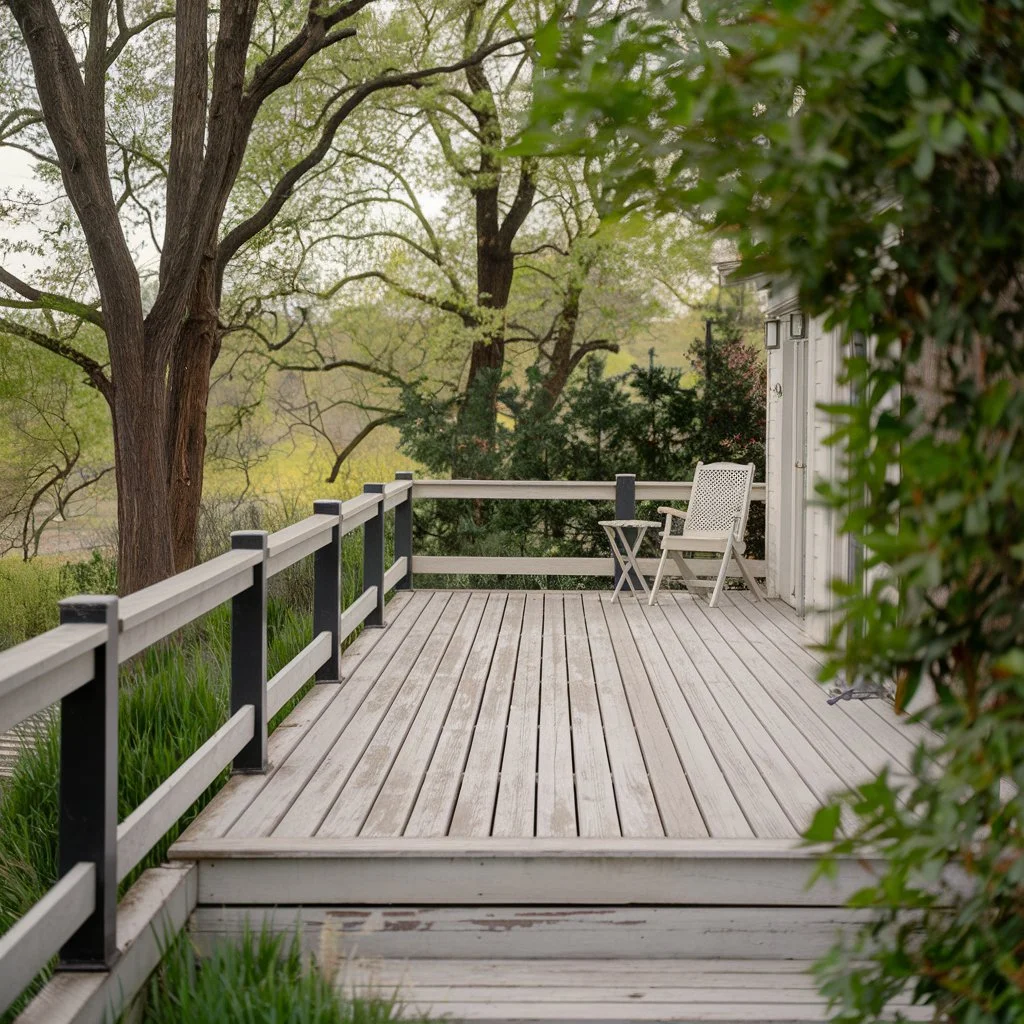
Why can composite decking boards lose their colour?
As with other exterior materials, composite decking boards are exposed to UV radiation, which is the main factor that causes colours to fade. UV radiation degrades the pigments contained in materials, resulting in a gradual loss of colour intensity.
1. UV radiation.
Ultraviolet (UV) radiation is an invisible form of light that affects the chemical structure of materials. In composite decking boards, UV radiation can cause polymers to oxidise and colour pigments to degrade, resulting in fading.
How does UV radiation work?
UV rays break down chemical bonds in polymers, reducing their flexibility and strength. At the same time, this radiation affects the pigments in composite decking boards, causing colours to lose their intensity. Over time, the material may become more matt and grey.
2. Weather conditions.
Composite decking boards are exposed to various weather conditions, such as rain, snow, wind and temperature changes. Frequent changes in the weather can accelerate colour degradation, especially in regions with intense sunlight and large temperature differences.
3. The quality of composite decking boards.
Not all composite decking boards are equally resistant to fading. Much depends on the quality of the material and the production technology. Cheaper boards made from low-quality materials may lose their colour faster than higher-grade products. That is why it is worth investing in composite decking boards from reputable manufacturers who offer a guarantee of colour resistance.
Do all composite decking boards lose their colour?
Most composite decking boards will fade to some extent when exposed to UV radiation. However, modern production technologies and the use of special protective coatings can significantly reduce this effect. Here are some factors that affect the colour durability of composite decking boards:
1. Co-extrusion technology.
One of the latest technologies used in the production of composite decking boards is co-extrusion. It involves covering the core of the board (made from a mixture of wood fibres and plastic) with an additional protective layer of pure plastic.
Advantages of co-extrusion technology:
- Greater resistance to UV radiation – the outer coating protects the board's core from UV degradation, reducing the risk of fading.
- Resistance to dirt – the protective coating prevents dirt and stains from penetrating the board's structure, making it easier to keep clean.
- Colour durability – boards made using co-extrusion technology retain their colour for a long time, even in intense sunlight.
2. Use of UV stabilisers.
High-quality composite decking boards contain UV stabilisers, which protect the pigments from degradation. These stabilisers are added to the mixture during board production, increasing their resistance to fading.
How do UV stabilisers work?
UV stabilisers absorb ultraviolet radiation and disperse it so that it does not damage the pigments or the board structure. This helps composite decking boards retain their colour intensity for longer, even in harsh weather conditions.
3. Pigment quality.
High-quality composite decking boards are made using special pigments that are resistant to UV radiation. These pigments are more durable and less prone to fading than standard dyes.
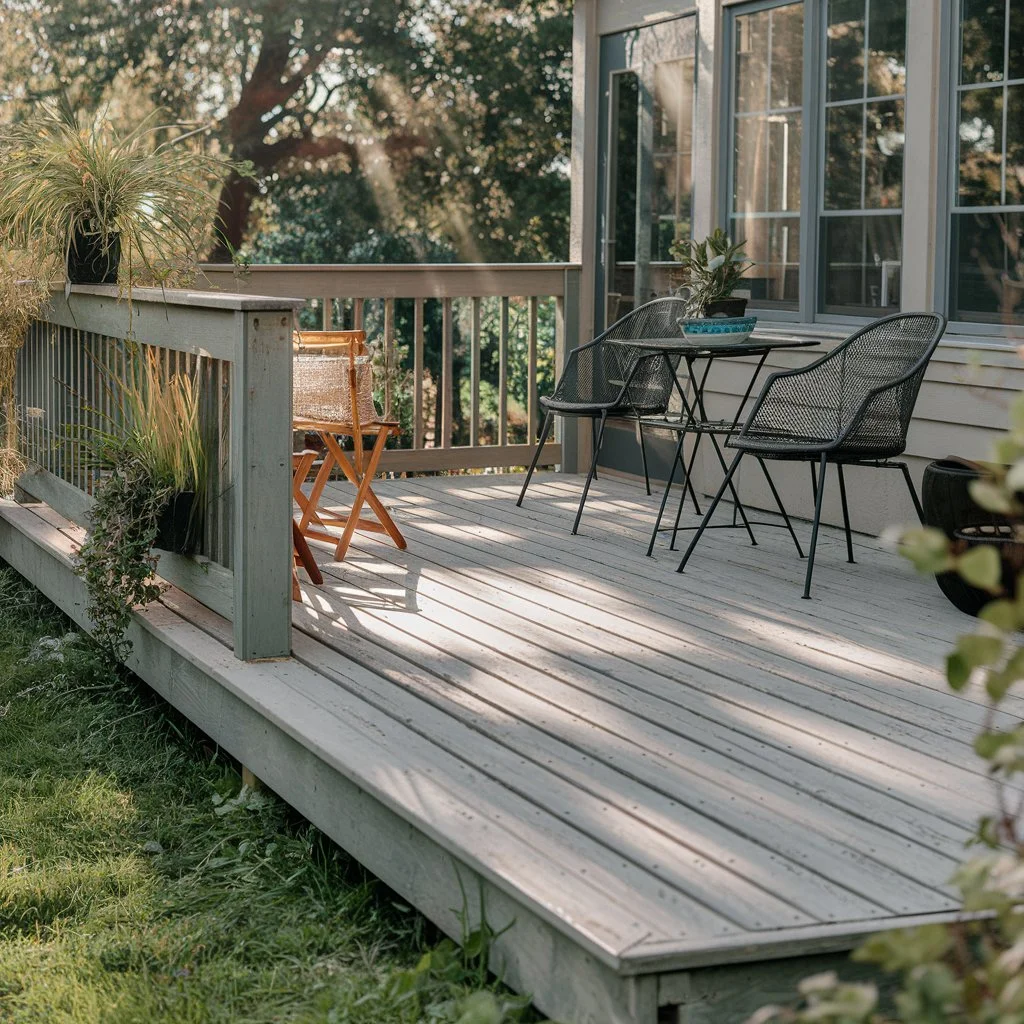
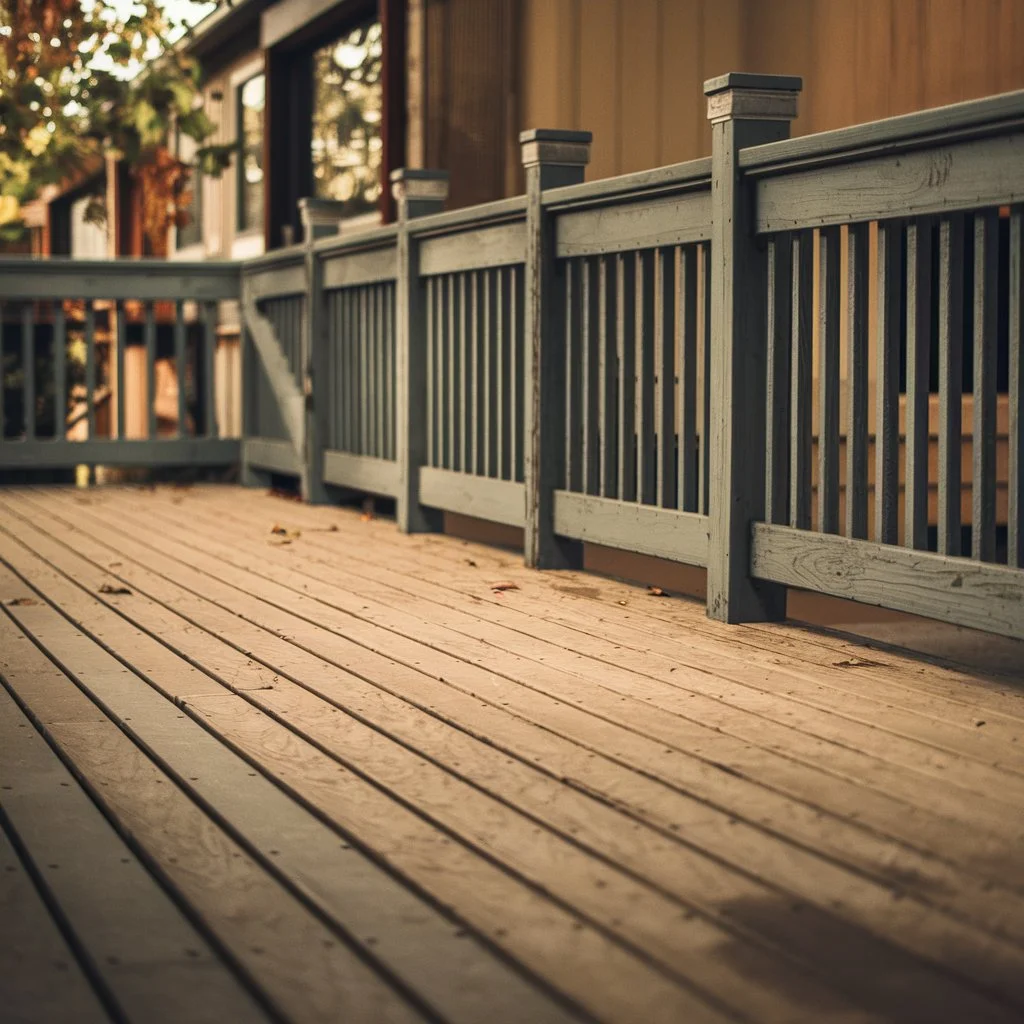
How to care for composite decking boards so they retain their colour?
Although composite decking boards are more resistant to fading than traditional timber, there are a few simple steps you can take to help preserve their colour for longer:
Regularly removing dirt, leaves and other debris from the surface of composite decking boards prevents dirt from building up and potentially accelerating fading. Simply wash the terrace with water and a mild detergent, using a soft-bristled brush.
2. Using special protective products.
Products designed for caring for composite decking boards are available on the market and contain ingredients that protect against UV radiation. Using these products regularly helps maintain the colour of the boards and protects them from degradation.
3. Avoiding harsh chemicals.
Strong chemicals can damage the surface of composite decking boards and accelerate fading. Use mild detergents designed for these types of materials to clean composite decking boards.
4. A roof or awning.
If your terrace is exposed to intense sunlight, consider installing a roof, awning or pergola. Protecting the terrace from direct sunlight can significantly reduce the risk of composite decking boards fading.
Summary.
Composite decking boards, although more resistant to fading than traditional timber, can lose their colour intensity over time due to UV radiation. Factors such as board quality, production technology, the use of UV stabilisers and maintenance all affect colour durability. To enjoy a beautiful, durable terrace for many years, it is worth investing in high-quality composite decking boards from reputable manufacturers and taking regular care of them. With proper care and protection, composite decking boards will retain their appearance and functionality for many years.
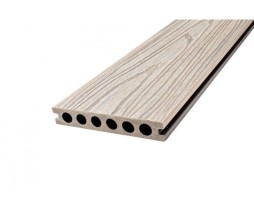
PREMIUM composite decking board 23x138 - 5,0 m
Price per 1 linear metre of board: 24,85 zł
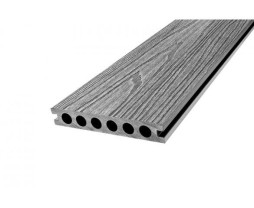
PREMIUM composite decking board 23x138 - 4,5 m
Price per 1 linear metre of board: 24,85 zł
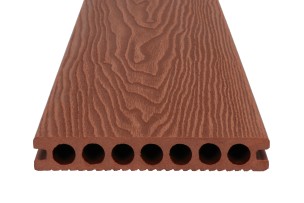
DUO composite decking board 23x148 - 4,5 m
Price per 1 linear metre of board: 21,30 zł
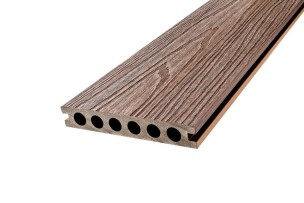
PREMIUM composite decking board 23x138 - 4,0 m
Price for 1 linear metre of board: 24,85 zł



