
Composite decking boards: Frequently asked questions and answers.
Considering composite decking boards for your terrace? Find answers to the most frequently asked questions and learn everything you need to know before buying and installing them!
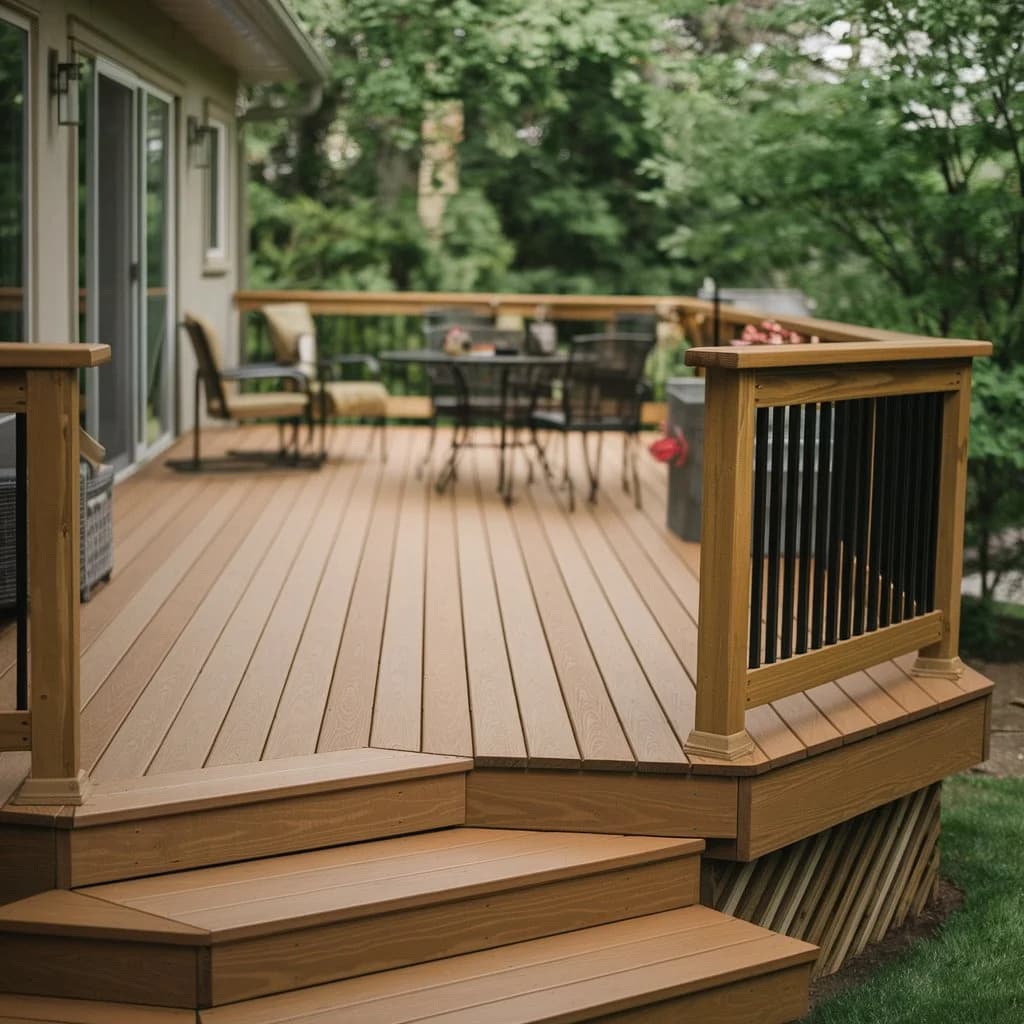
Composite decking boards are becoming increasingly popular as an alternative to traditional timber. They combine the appearance of a natural material with the durability and resistance of plastics, making them a practical choice for outdoor spaces. If you are considering composite decking boards for your terrace, you are sure to have many questions. Below, you will find answers to the most common questions about this material.
What are composite decking boards?
Composite decking boards are made by combining wood fibres (or other natural raw materials, such as bamboo) with plastics, e.g. polyethylene or polypropylene. This combination means that these boards combine the appearance of timber with the durability and resistance of plastics. As a result, they do not deform and are resistant to moisture, mould and UV radiation.
Why choose composite decking boards for a terrace?
Composite decking boards have many advantages that make them a better choice than traditional timber:
- Weather resistance: They do not absorb water, so they do not swell or crack, and are resistant to mould and fungi.
- Durability: They are more resistant to mechanical damage than timber, such as scratches and dents.
- Easy maintenance: They do not require regular painting, oiling or treatment with preservative. Simply wash them with water and detergent from time to time.
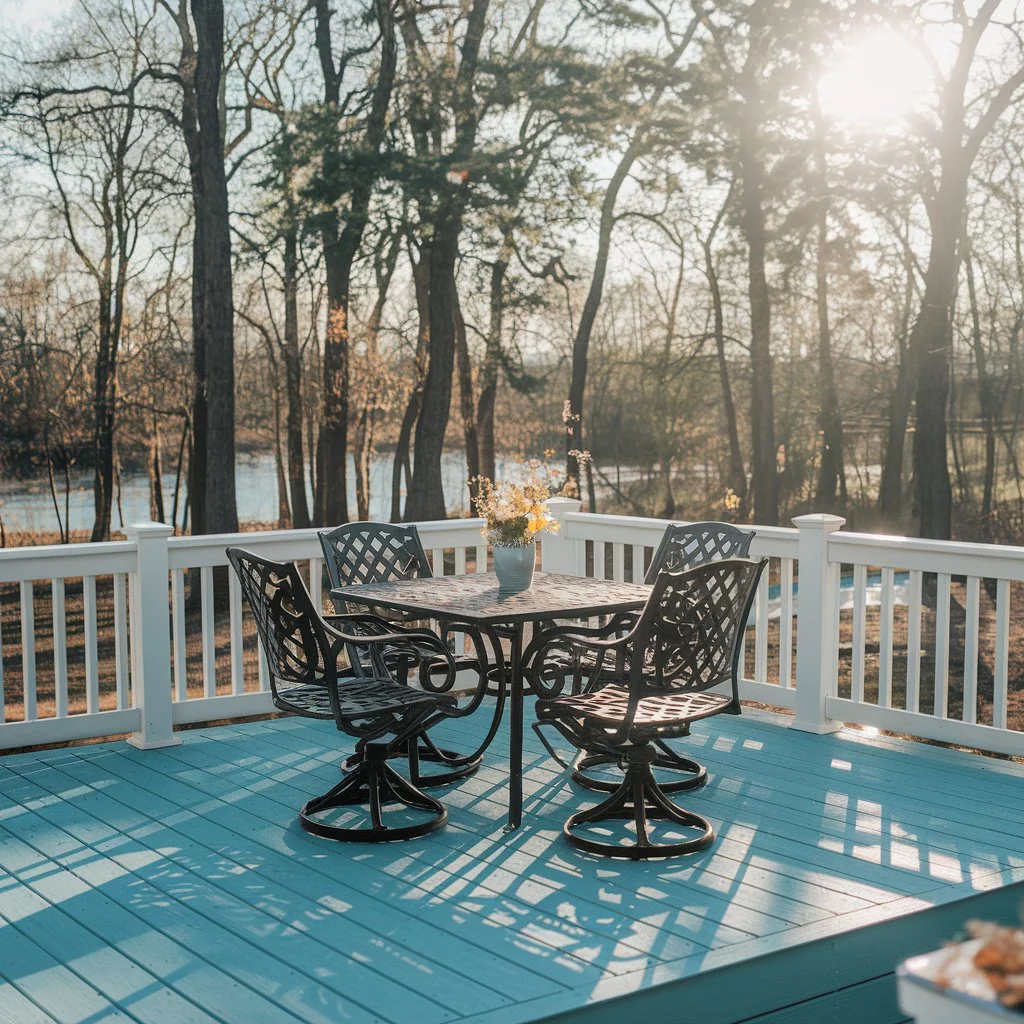
- Appearance: Composite decking boards are available in a wide range of colours and patterns, making it easy to match them to the style of your terrace.
- Environmental benefits: Many composite decking boards are made from recycled materials, making them more environmentally friendly.
What types of composite decking boards are there?
Composite decking boards can be divided into two main categories:
- Solid boards: These are solid, more resistant to loads and resistant to mechanical damage. They are ideal for terraces with heavy foot traffic.
- Hollow boards: Lighter and more economical, but less resistant to loads. Ideal for terraces with lighter foot traffic or areas that see less use.
The type of board you choose should depend on the intended use of the terrace and your budget.
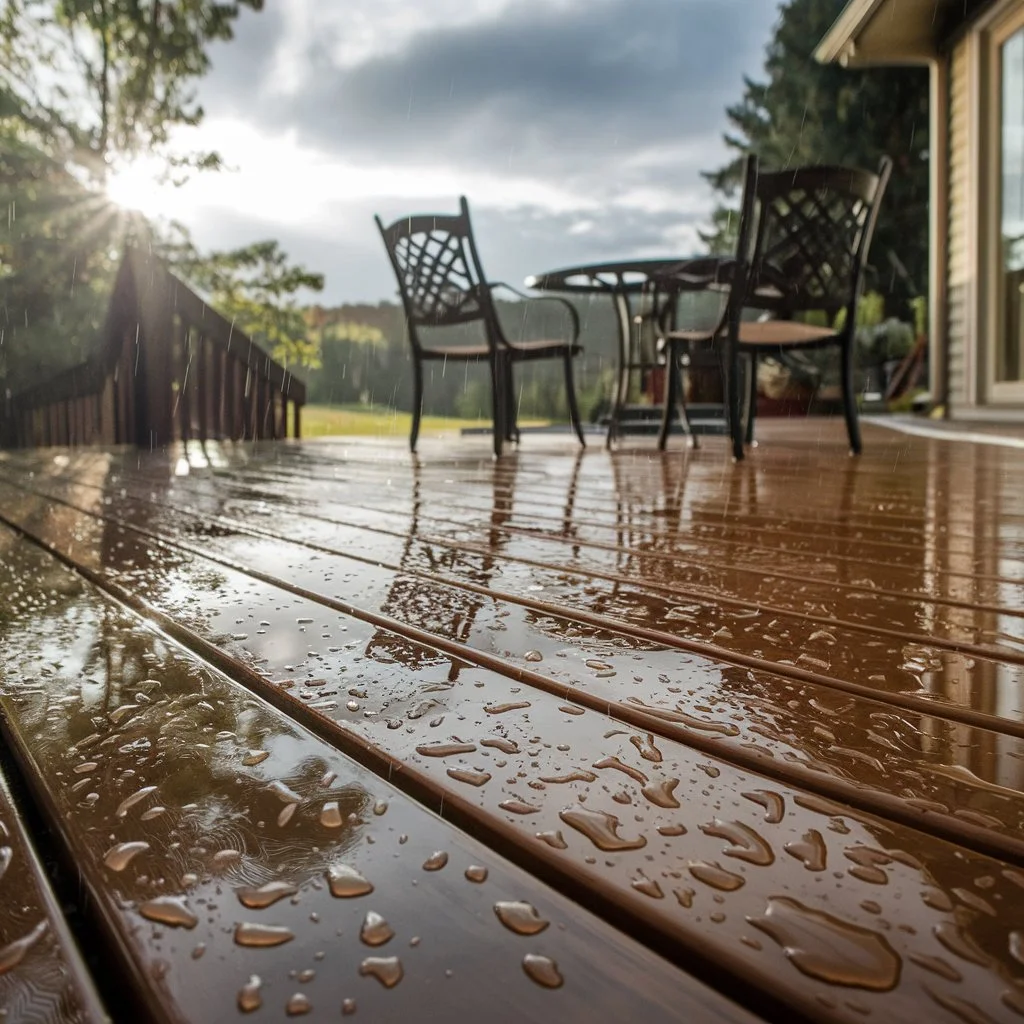
Are composite decking boards weather-resistant?
Yes, composite decking boards are designed to last in harsh outdoor conditions. They are resistant to moisture, UV radiation and significant temperature fluctuations. This means they do not warp or rot and retain their appearance for many years, whatever the weather.
Do composite decking boards require maintenance?
No. One of the biggest advantages of composite decking boards is that they require little maintenance. Unlike timber, they do not need to be painted, oiled or treated with preservative. To keep them clean, simply wash them regularly with water and a mild detergent.
How are composite decking boards installed?
Installing composite decking boards is relatively straightforward and can be done yourself or commissioned from specialists. Here are the steps in brief:
- Preparing the ground: Make sure the area is level and stable. If building on the ground, you can use a crushed aggregate sub-base.
- Installing the joists: The joists (composite or aluminium) form the base of the structure and are fixed to the ground.
- Fixing the boards: The boards are installed using clips or screws. It is important to leave the correct gaps between the boards to ensure ventilation and water drainage.
- Finishing the edges: Finally, finishing trims are installed to give the terrace a neat appearance.
Can composite decking boards get hot in the sun?
Yes, composite decking boards can heat up in intense sunlight, especially darker colours. If you are planning a terrace in full sun, it is worth considering lighter shades, which heat up less.
Are composite decking boards slippery?
Composite decking boards have special anti-slip surfaces, making them safe to use even in the rain. This makes them an ideal choice for terraces, swimming pools and outdoor steps.
How long do composite decking boards last?
The lifespan of composite decking boards depends on their quality and conditions of use, but most manufacturers state a durability of 20-30 years. It is also worth checking the warranty offered by the manufacturer, which often covers a dozen or so years.
Are composite decking boards expensive?
Composite decking boards may cost more than timber, but it is worth remembering that their durability and lack of need for maintenance make them an investment that pays off in the longer term. In addition, the running costs of composite decking boards are significantly lower than those of timber.
Are composite decking boards eco-friendly?
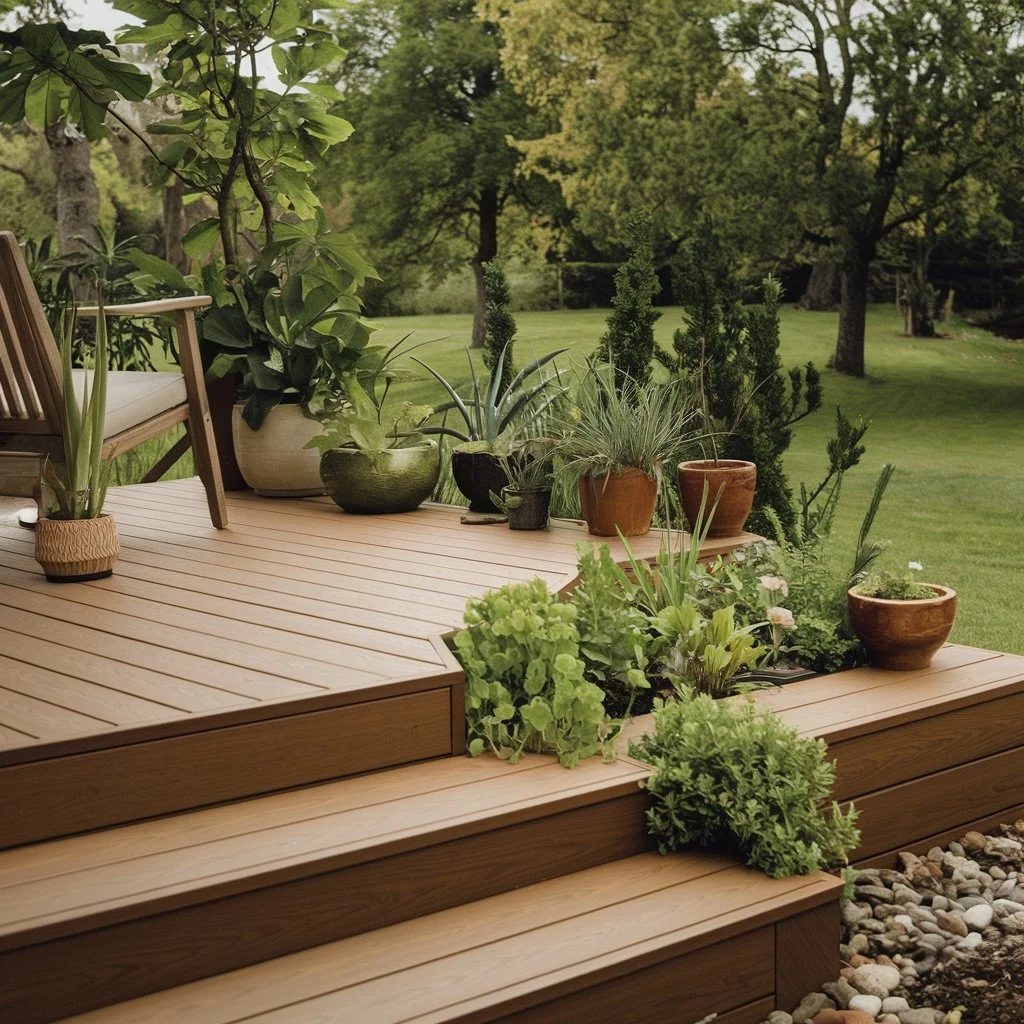
Yes, many composite decking boards are made from recycled materials, such as recycled plastics or sawdust. This makes their production more environmentally friendly than sourcing natural wood.
Can composite decking boards be cut to size?
Yes, composite decking boards can be cut to size. A hand saw or a circular saw with fine teeth is best for this, as it will provide a clean, even cut. It is important to protect the edges after cutting (if required by the manufacturer) and to make sure that the boards fit the structure properly.
How long does it take to install a composite decking terrace?
Installation time depends on the size of the terrace and the team's experience. On average, building a terrace with an area of 20 m² can take 2-3 days. More complex projects may take longer.
Summary.
Composite decking boards are an excellent choice for anyone looking for durable, attractive and practical solutions for their terrace. Their resistance to weather conditions, low maintenance requirements and eco-friendliness mean they are increasingly chosen as an alternative to wood. If you have any further questions or concerns, contact the manufacturer or a specialist – they will certainly help you choose the best solution for your space! 😊
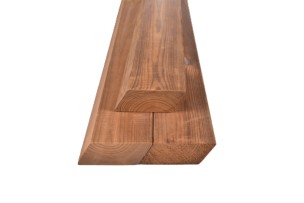
THERMO pine 19x68 Class AB rhombus Thermo-wood
THERMO PINE 1,9x6,8x390/420 cm. Price per m2 179,99.
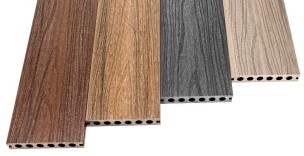
PREMIUM composite decking board 23x138 - 5,8 m
Price per 1 linear metre of board: 24,85 zł
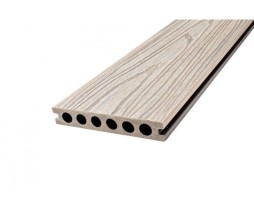
PREMIUM composite decking board 23x138 - 5,0 m
Price per 1 linear metre of board: 24,85 zł
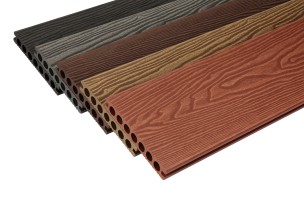
DUO composite decking board 23x148 - 5,8 m
Price per 1 linear metre of board: 21,30 zł



