How to store garden furniture properly over winter – tips for protection and maintenance.
Protect your garden furniture from winter! Find out how to store it properly over winter to preserve its appearance and functionality for years to come.
Summer is drawing to a close, the days are getting shorter and temperatures are falling. For many of us, this means one thing – it is time to say goodbye to our favourite garden furniture and prepare it for its winter break. In Poland, where winters can be frosty, windy and damp, protecting garden furniture properly from harsh weather conditions is essential if it is to last for many years. Many garden and patio owners ask themselves how best to store garden furniture in winter. Proper storage and maintenance depend largely on the type of furniture, the materials it is made from and the storage space available. In this article, we share detailed tips to help you look after your furniture, whether it is made of wood, metal, synthetic rattan or plastic.
Why is it important to store garden furniture properly in winter?
Garden furniture is exposed to a variety of weather conditions – from intense summer sunshine to rain, frost and snow in winter. To preserve its appearance and functionality, it is important to protect it properly.
- Protection from moisture – rain, snow and temperature fluctuations can cause damage such as cracks, mould or corrosion, especially to furniture made of wood or metal.
- Maintaining its appearance – proper maintenance and storage help preserve the furniture's original appearance, protecting it from fading, discolouration and stains.
- Extending its lifespan – regularly protecting garden furniture helps extend its lifespan, meaning it will last for many seasons without needing to be replaced.
Which garden furniture needs protecting in winter?
All garden furniture should be properly protected for winter, but different materials require different approaches. Here are some of the most popular types of garden furniture and tips on how to store them.
WOODEN FURNITURE
Wooden garden furniture, especially pieces made from softwoods such as pine or spruce, is particularly susceptible to moisture and frost. Wood can crack, warp and develop mould if it is not properly protected.
- Wood treatment before winter: Before putting wooden furniture away, it is worth protecting it properly. Use a wood preservative, wood oil or varnish to protect it from moisture and low temperatures. Furniture made from exotic wood such as teak needs regular oiling to maintain its natural properties and appearance.
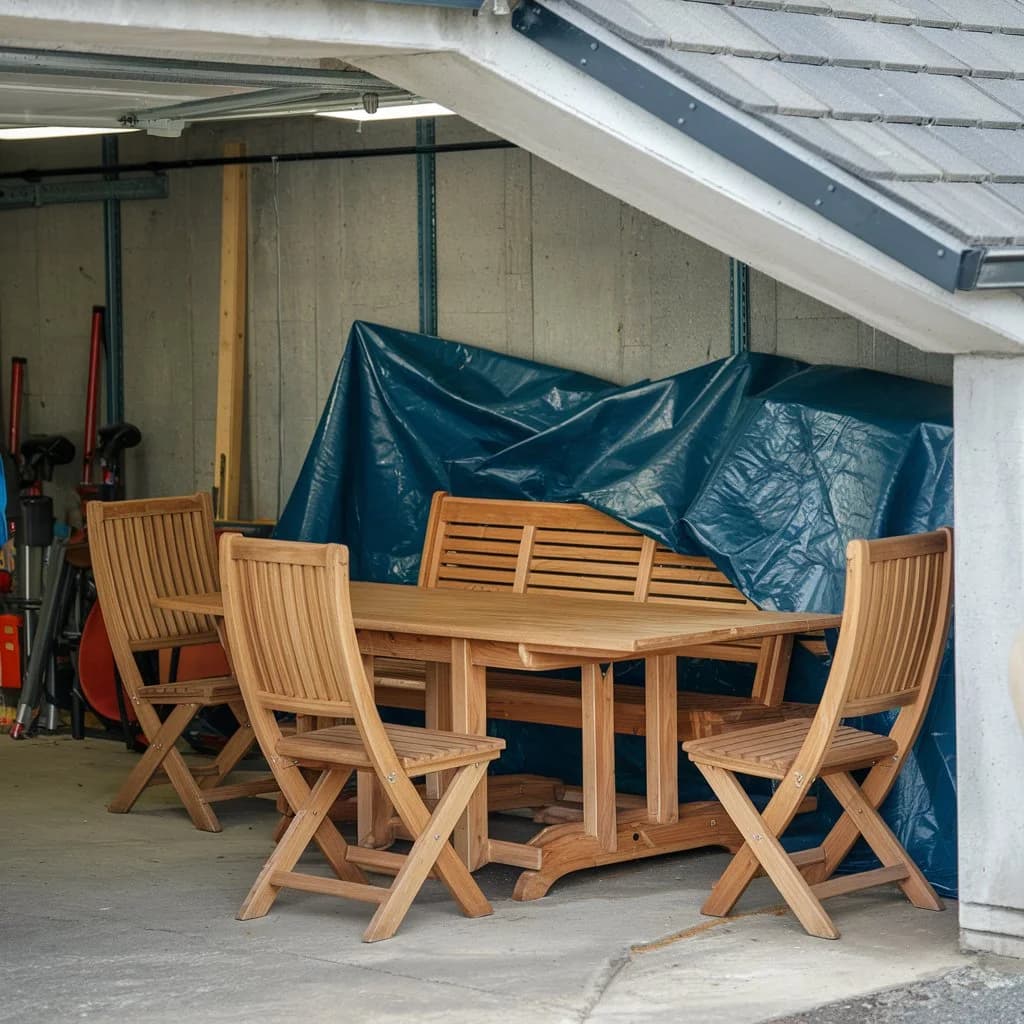
- Protection from moisture: If you have space in a garage, shed or cellar, it is best to store wooden furniture there. If this is not possible, protect it with special waterproof covers to keep out rain and snow.
METAL FURNITURE
Metal furniture is more resistant to moisture than wooden furniture, but it is not completely resistant to corrosion, especially if it is made of iron or steel.
- Cleaning before storage: Before storing metal furniture, clean it thoroughly to remove dust, dirt and leaves, which can trap moisture. Use a mild detergent and water to remove any dirt.
- Anti-corrosion protection: It is worth using specialist anti-corrosion products to protect the metal from rust. If rust has already appeared on the furniture, remove it with sandpaper and then apply protective paint or varnish.
- Storage: Metal furniture can be stored outdoors, but, as with wooden furniture, it is advisable to cover it with waterproof covers.
SYNTHETIC RATTAN FURNITURE
Synthetic rattan is resistant to moisture and UV radiation, making it one of the best materials for garden furniture. However, despite its durability, it is worth protecting it properly in winter.
- Cleaning: Before putting synthetic rattan furniture away, wash it thoroughly with water and a mild detergent. It is also worth cleaning any gaps where leaves or dust could collect.
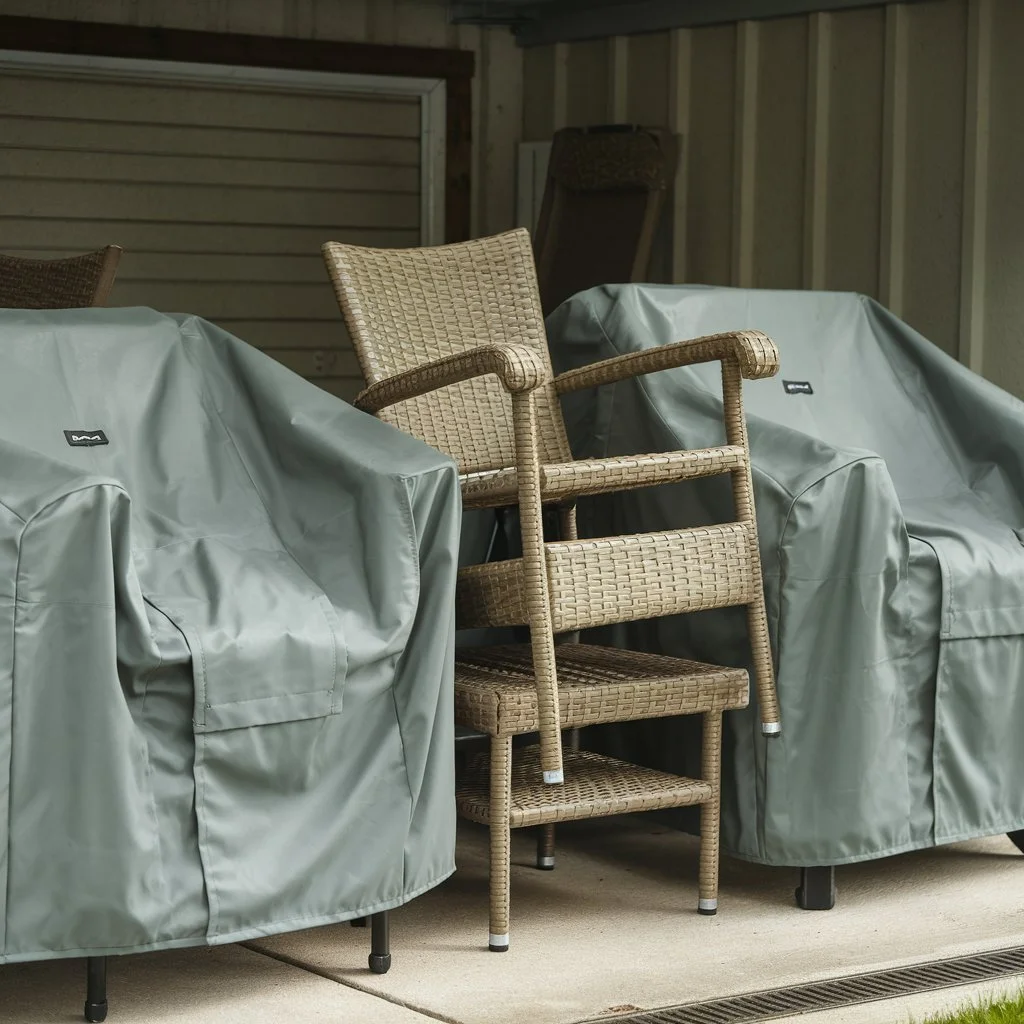
- Protective covers: If the furniture is left outdoors, protect it with waterproof covers to shield it from snow and frost. The covers should be breathable to prevent moisture from building up inside.
PLASTIC FURNITURE
Plastic garden furniture is lightweight and easy to clean, but it tends to fade and crack when exposed to low temperatures. Plastic can become brittle on frosty days, increasing the risk of damage.
- Protection from frost: It is best to store plastic furniture indoors, where it will not be exposed to frost. If this is not possible, cover it tightly with protective covers.
- Avoiding sunlight: Even in winter, plastic furniture can be exposed to UV radiation, which causes fading. Protective covers will shield the furniture from the sun.
How can you store garden furniture if you do not have much space?
Not everyone has a spacious garage, shed or cellar where they can store garden furniture for the winter. In these cases, it is worth using a few tricks to store it efficiently, even in a limited space.
- Folding garden furniture.
If you’re planning to buy new garden furniture and know you’ll have limited space to store it, choose folding models. Folding tables, chairs and sun loungers take up much less space and are easier to store, even in small rooms.
- Using covers and protective measures.
If you have to leave your furniture outdoors, use sturdy, waterproof covers to protect it effectively from moisture, snow and frost. Make sure the covers fit the furniture properly so that moisture does not collect underneath, which could lead to mould developing.
- Storing furniture under cover.
If you don’t have space indoors, it’s worth investing in a roof for your terrace or a gazebo. This will provide greater protection for your furniture from rain and snow. A roof will also help minimise the effect of UV radiation on plastic or poly rattan furniture.
- Using cellars and lofts.
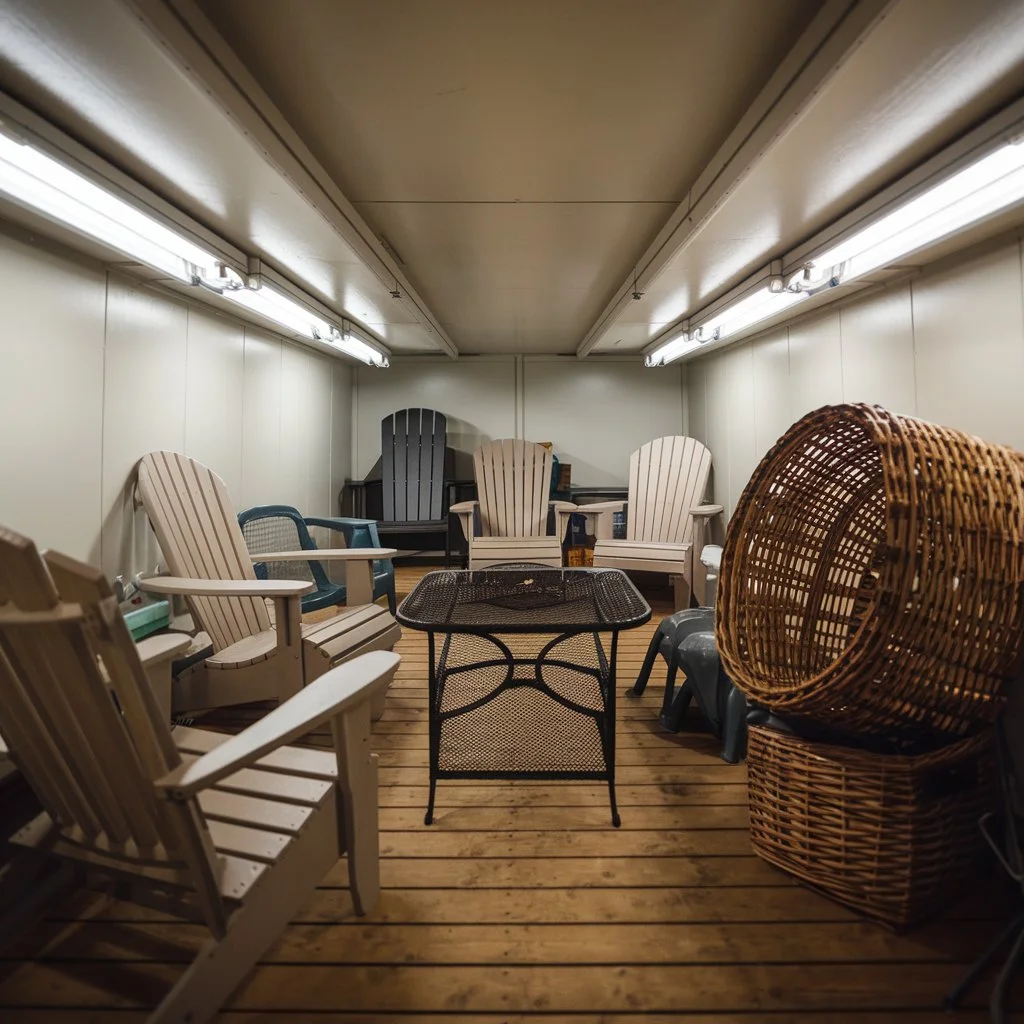
Even if your storage areas are small, cellars, lofts and even garages can be used to store smaller items such as cushions, textiles, garden cushions or folding chairs.
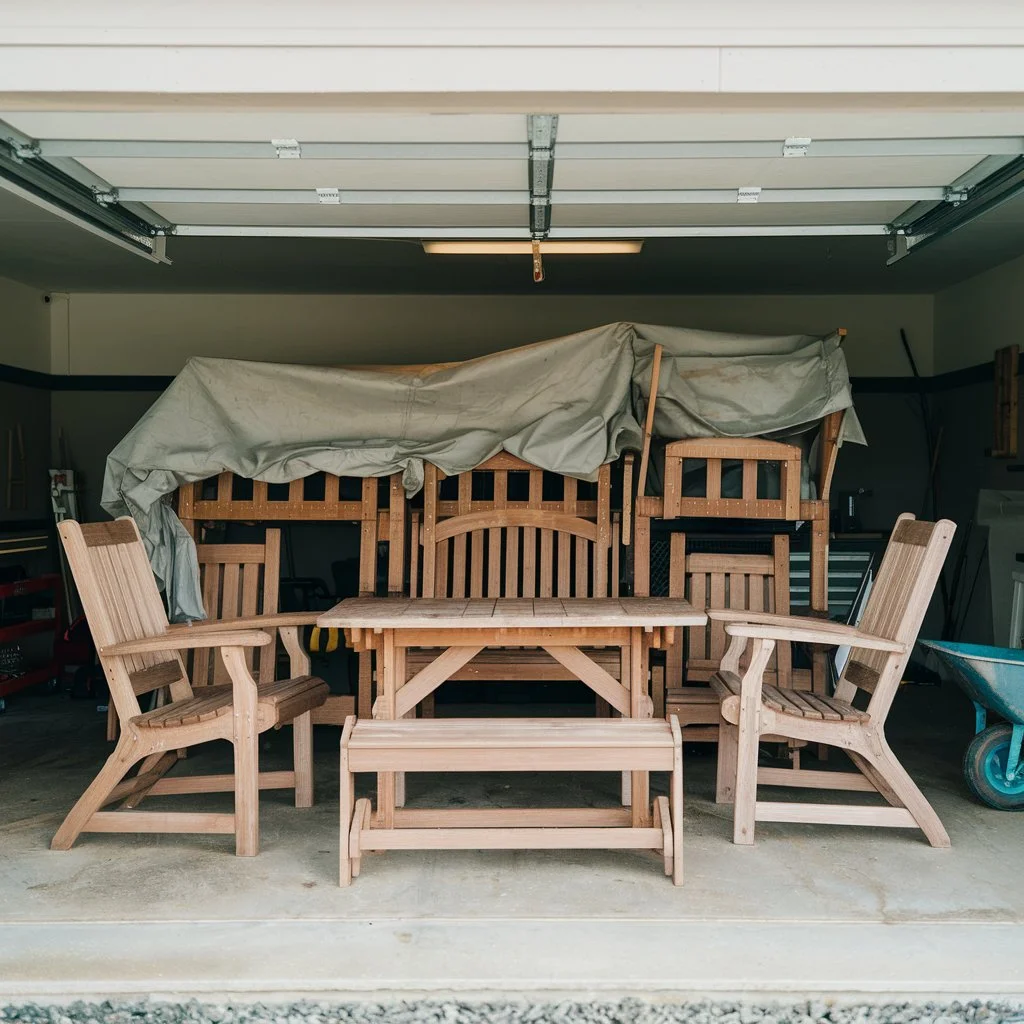
How should you prepare garden furniture for storage?
Whatever type of garden furniture you have, it’s worth remembering a few steps to take before storing it for the winter.
- Cleaning – whatever material the furniture is made from, it should be thoroughly cleaned before being put away. Use mild detergents and water to remove dirt, dust, leaves or food residue. Avoid harsh chemicals that could damage the furniture’s surface.
- Drying – before covering the furniture or putting it away indoors, make sure it is completely dry. Moisture left on the furniture can lead to mould and other problems.
- Maintenance – it’s worth carrying out basic maintenance before winter. Apply wood preservative to wooden furniture, anti-corrosion paint to metal components and protective products to poly rattan furniture.
Summary.
Winter can be a challenging time for garden furniture, but proper preparation and storage can significantly extend its lifespan. Whether you have wooden, metal, poly rattan or plastic furniture, it’s important to maintain it, protect it from moisture and store it in suitable conditions. This way, your furniture will be ready to use in spring, and you’ll save time and money on any repairs or replacements.
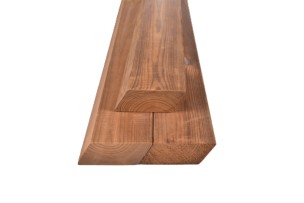
THERMO pine 19x68 Class AB rhombus Thermo-wood
THERMO PINE 1.9x6.8x390/420 cm. Price per m2 179,99.
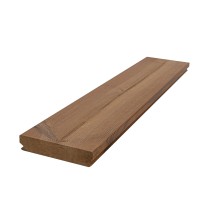
THERMO pine 26x117 Class AB smooth Thermo-wood
THERMO PINE 2.6x11.7x420 / 480 cm. Price per m2 199,99 zł.