
Which joists should you use for composite decking boards? Wood, steel or composite?
Joists are the foundation of a durable composite decking terrace. Find out whether wooden, steel or composite joists are the better choice — and learn about their pros and cons.

Building a terrace with composite decking boards starts with the right supporting structure. The terrace joists determine the stability, durability and comfort of the entire surface. If chosen incorrectly, they can lead to warping, cracks or premature wear of the boards. That is why it is so important to consider carefully, before installation begins, which joists to choose for composite decking – wood, steel or perhaps composite? In this article, we compare these three options, discussing their disadvantages, advantages and impact on board installation and the durability of the entire structure.
The role of joists in terrace construction.
Terrace joists are the components on which composite decking boards are installed. They carry the load and maintain the appropriate gap between the boards and the ground. A well-designed joist system ensures an even surface, proper water drainage and resistance to temperature changes and moisture. The material from which the joists are made is crucial — it affects not only the durability of the structure, but also the ease of installing the boards and subsequent maintenance. So, let’s see which option works best.
Wooden joists – natural, but demanding.
Advantages:
- relatively low cost,
- readily available,
- easy to install and cut to size.
Disadvantages:
- wood is susceptible to moisture, mould and fungi,
- over time, it may warp or crack,
- requires regular impregnation,
- it is harder to keep levels even over the long term.
Wooden joists are often chosen because of their attractive price and ease of installation. However, their durability may be limited when used with composite decking boards. Composite does not require maintenance, whereas wood does. As a result, after a few years the joists may deteriorate, causing the boards to loosen or the surface to become uneven. Wooden joists are therefore more suitable for small terraces or temporary structures.
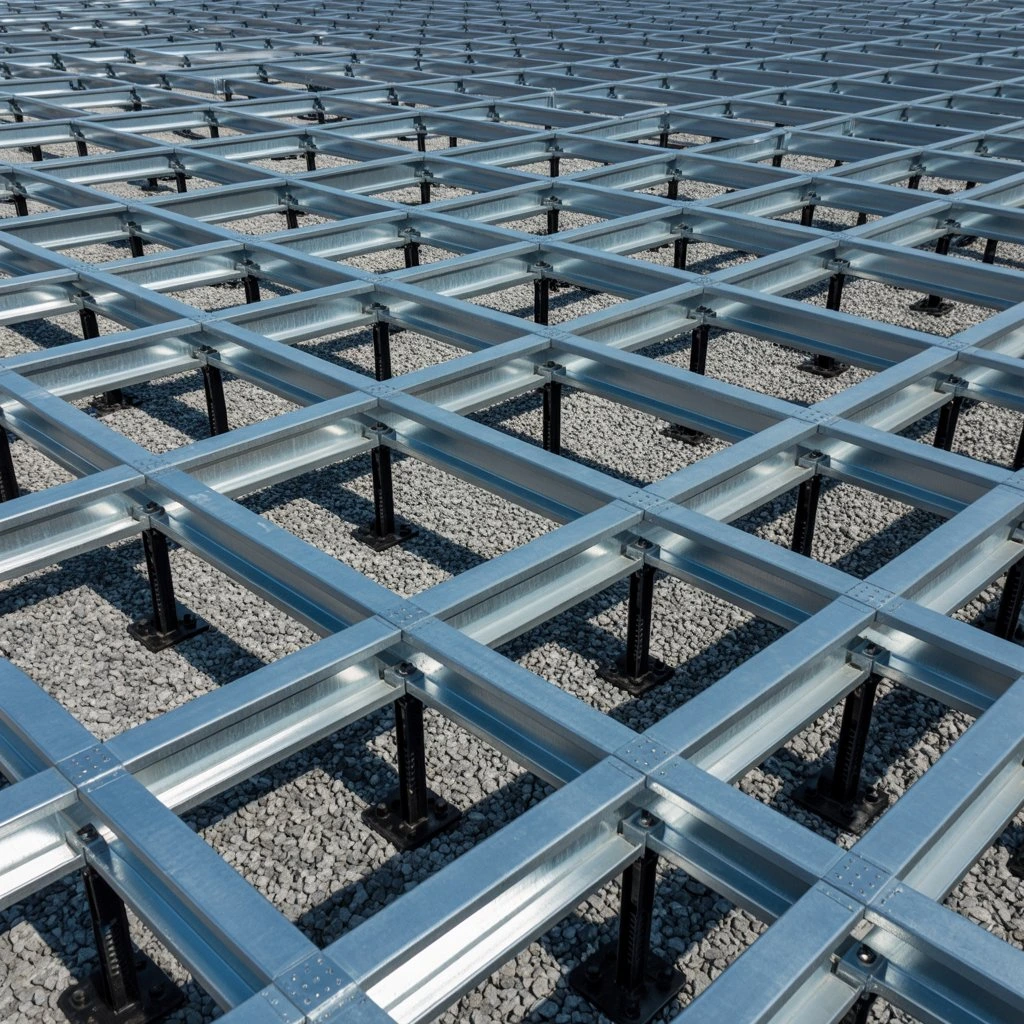
Steel joists – sturdy, but requiring precision.
Advantages:
- exceptional durability and load resistance,
- no problems with moisture, fungi or insects,
- a stable structure even after many years.
Disadvantages:
- higher material and installation costs,
- must be levelled precisely,
- requires special installation accessories,
- risk of corrosion at cut or joint locations (if the steel is not galvanised).
Steel joists are an increasingly popular choice in modern projects — particularly where durability and precision matter. They work very well for large terraces, rooftop terraces and structures with irregular shapes. Their greatest advantage is their resistance to warping and heavy loads. Combined with a composite decking board they create a very stable and durable system, although the cost of such a structure is noticeably higher.
Composite joists – a compromise between durability and price.
Advantages:
- resistance to moisture, fungi and insects,
- no maintenance required,
- dimensional stability,
- perfectly matched to composite decking boards,
- easy system installation.
Disadvantages:
- less rigidity than steel,
- support spacing needs to be closer,
- more expensive than wood, but cheaper than steel.
Joists for composite decking made from the same material (WPC) are currently the most commonly chosen solution for installing composite decking. Their structure—a combination of wood fibres and plastic—means they do not absorb water and retain their dimensions for many years. Importantly, these joists are often part of a complete installation system from the decking manufacturer, ensuring full compatibility and straightforward installation of the decking board.
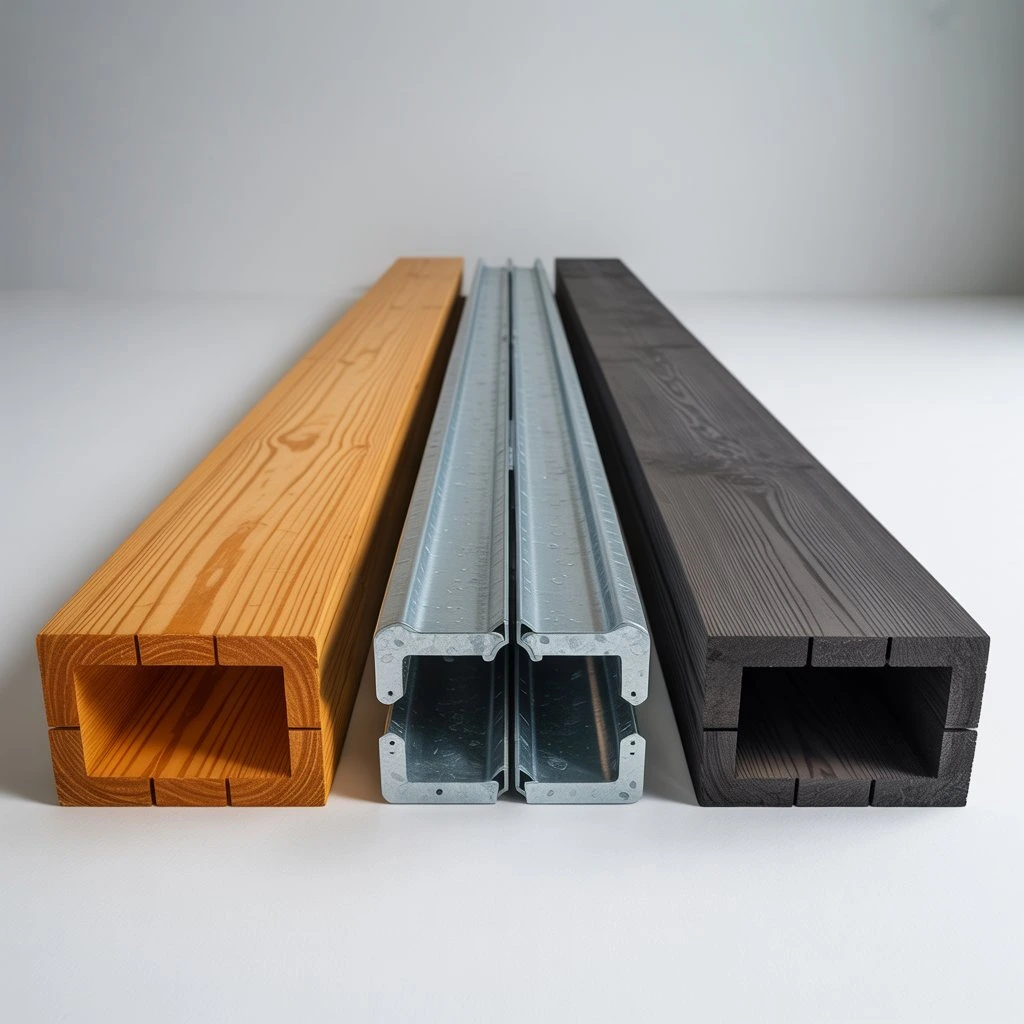
Which joists should you choose for composite decking?
The choice of joist type depends on several factors:
- the type of substrate (ground, concrete slab, steel structure),
- budget,
- the expected lifespan of the terrace.
For investors looking for a solution that will last for years, the best choice is composite joists – they combine durability with an attractive appearance and easy installation. For premium projects, such as roofs or terraces subject to heavy loads, steel joists are an excellent choice. Timber joists, meanwhile, are an economical option – suitable for small, seasonal structures that are not exposed to significant temperature changes or moisture.
Installing composite decking on joists – what to bear in mind.
Regardless of the material your terrace joists are made from, a few rules remain the same:
- Maintain the correct joist spacing – usually every 35–40 cm (in accordance with the manufacturer's recommendations).
- Ensure ventilation beneath the terrace – air must be able to circulate freely.
- Level the substrate – avoid localised stress.
- Use fixing clips – they ensure an even gap between the boards.
- Do not install boards directly on concrete – always use joists to avoid moisture build-up.
Correct installation of composite decking is an investment in longevity and comfort. Choosing the right joists for composite decking will keep the terrace stable and attractive for many years.
Summary.
If you're wondering which joists to use under composite decking, the answer depends on your requirements and the technical conditions.
- Timber – inexpensive, but requires maintenance.
- Steel – durable, but expensive.
- Composite – an optimal choice, durable and easy to install.
Investors most often choose composite joists because they form a matching system with the decking boards, are resistant to moisture and provide an attractive, modern finish. That is why, when planning the installation of composite decking, it is worth choosing a complete solution from one manufacturer — it ensures durability, safety and straightforward installation.
PREMIUM composite terrace joist 28x50 (dark brown)
28 x 50 x 2000 | 4000
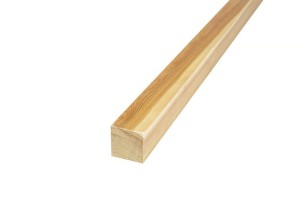
Siberian Larch timber terrace joist 45x45
Available lengths: 3.00m | 4.00m
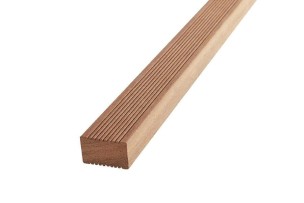
KERUING timber terrace joist 40x60
Available lengths: 2.45m | 3.67m | 3.98m | 4.89m
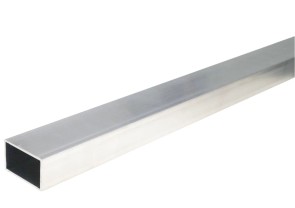
Aluminium ‘L’ decking joist 40x80x2
Available lengths: 3m | 4m | 6m



