
Installing composite decking boards without joists – a guide.
Wondering whether it’s possible to install composite decking boards without joists? Read our practical guide and discover effective methods for installing them directly onto the base!
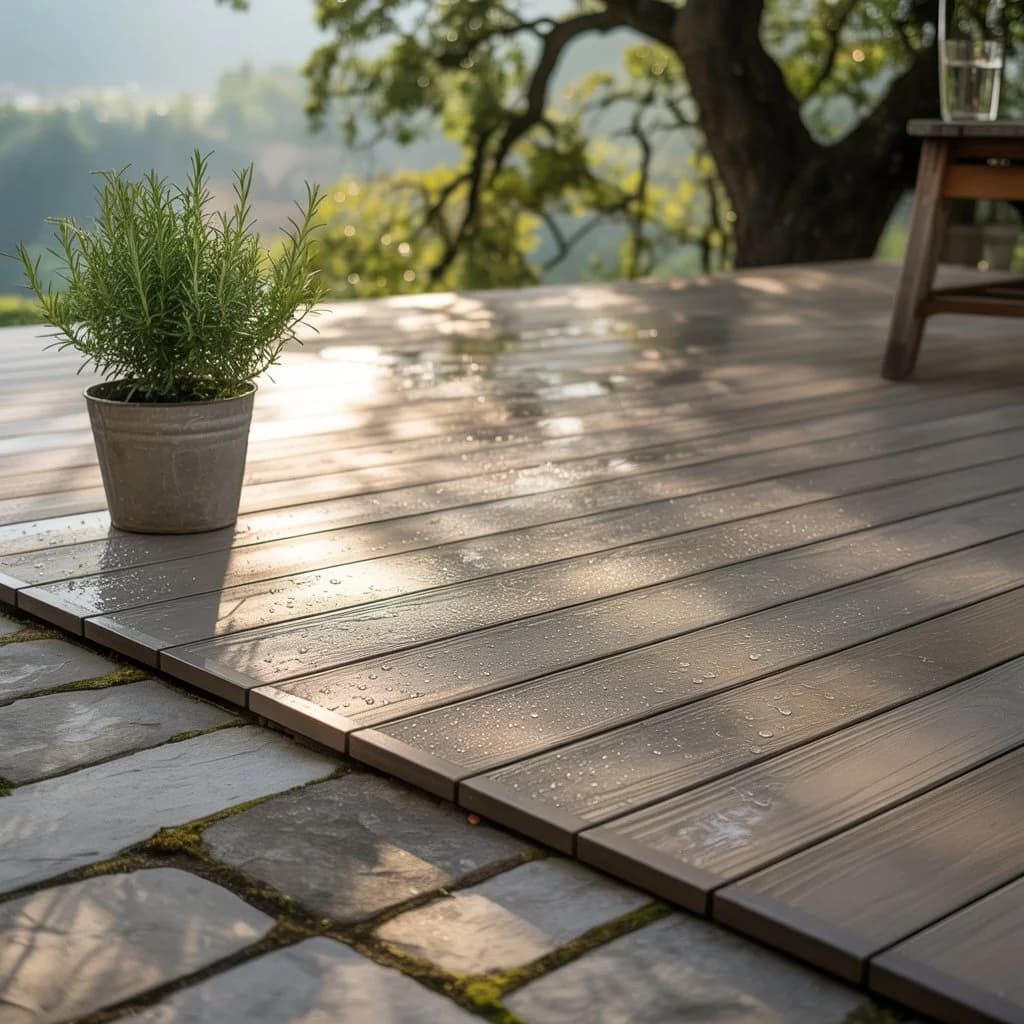
If you’re planning to create a modern, attractive and durable patio, then composite decking boards are sure to be on your radar already. And no wonder – they are one of the most popular finishing materials of recent years. However, when it comes to installation, one question often arises: do you really need to use joists? Imagine that you already have a solid, level surface prepared – for example, a concrete screed or old tiles. Wouldn’t it be great to simply lay the boards without an additional framework? Well… it is possible! But be warned – not in every situation and not on every base. In this guide, I’ll explain when and how you can install composite decking boards without joists, what conditions need to be met, which mistakes to avoid, and which tools and fixing systems work best. All in simple, clear language – with no unnecessary waffle.
What exactly are composite decking boards?
Before we move on to installation, it’s worth briefly reminding ourselves what we’re dealing with. Composite decking boards (or WPC – Wood Plastic Composite) combine wood flour and plastic. This makes them:
-
resistant to moisture, fungi, mould and pests,
-
resistant to UV radiation,
-
easy to clean and virtually maintenance-free,
-
durable for many years,
-
and very attractive, too – they look remarkably like wood.
For these reasons, they have become hugely popular for patios, balconies and garden paths.
Does installing without joists make sense at all?
The short answer? Yes – but not always.
The longer answer? It depends on several key factors.
Composite decking boards are usually installed on a special joist framework, which provides ventilation, even distribution of pressure and better insulation from the ground. But if the base is properly prepared, for example a concrete slab, you can leave out the joists and fix the boards directly to the surface.
This type of installation is particularly tempting:
-
when you want to reduce the cost of building a patio,
-
when the available installation height is limited (e.g. a low threshold),
-
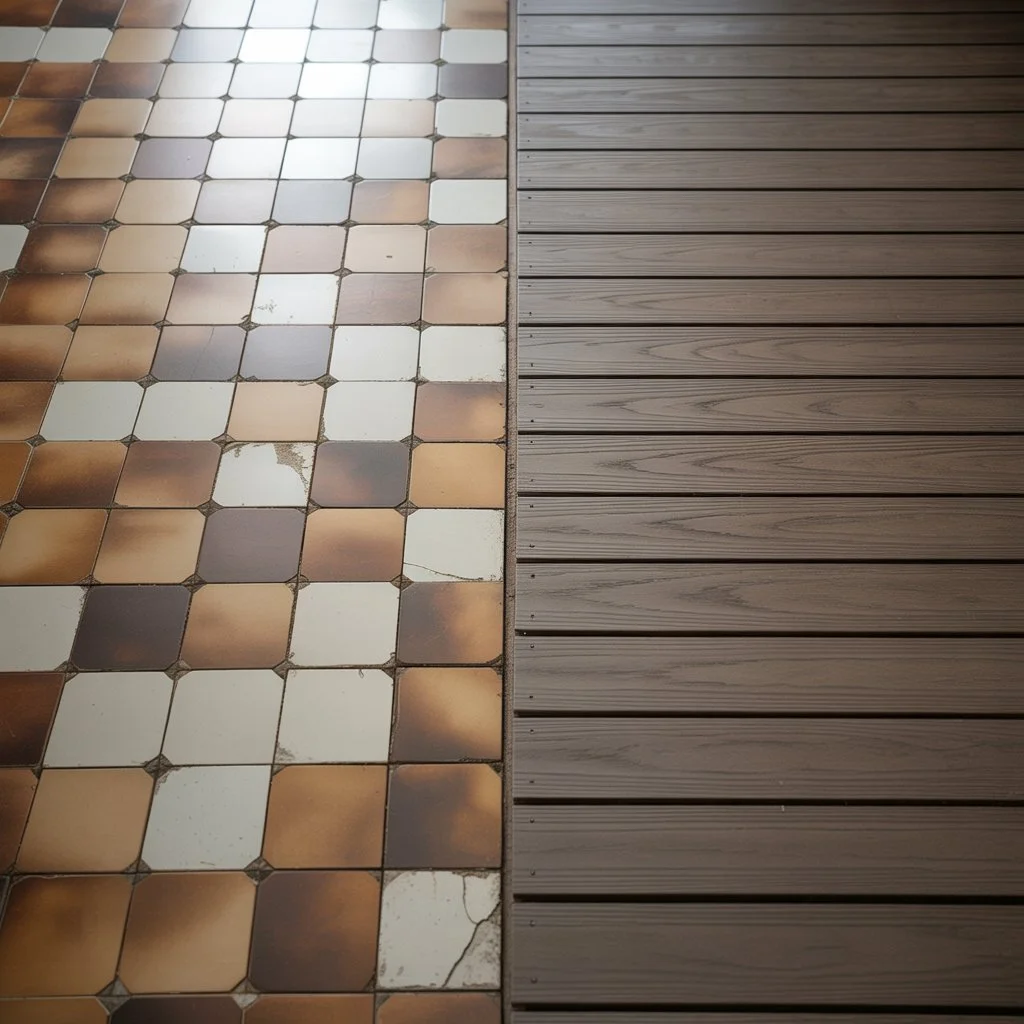
or if you already have a finished, hard and level surface, such as concrete or old tiles.
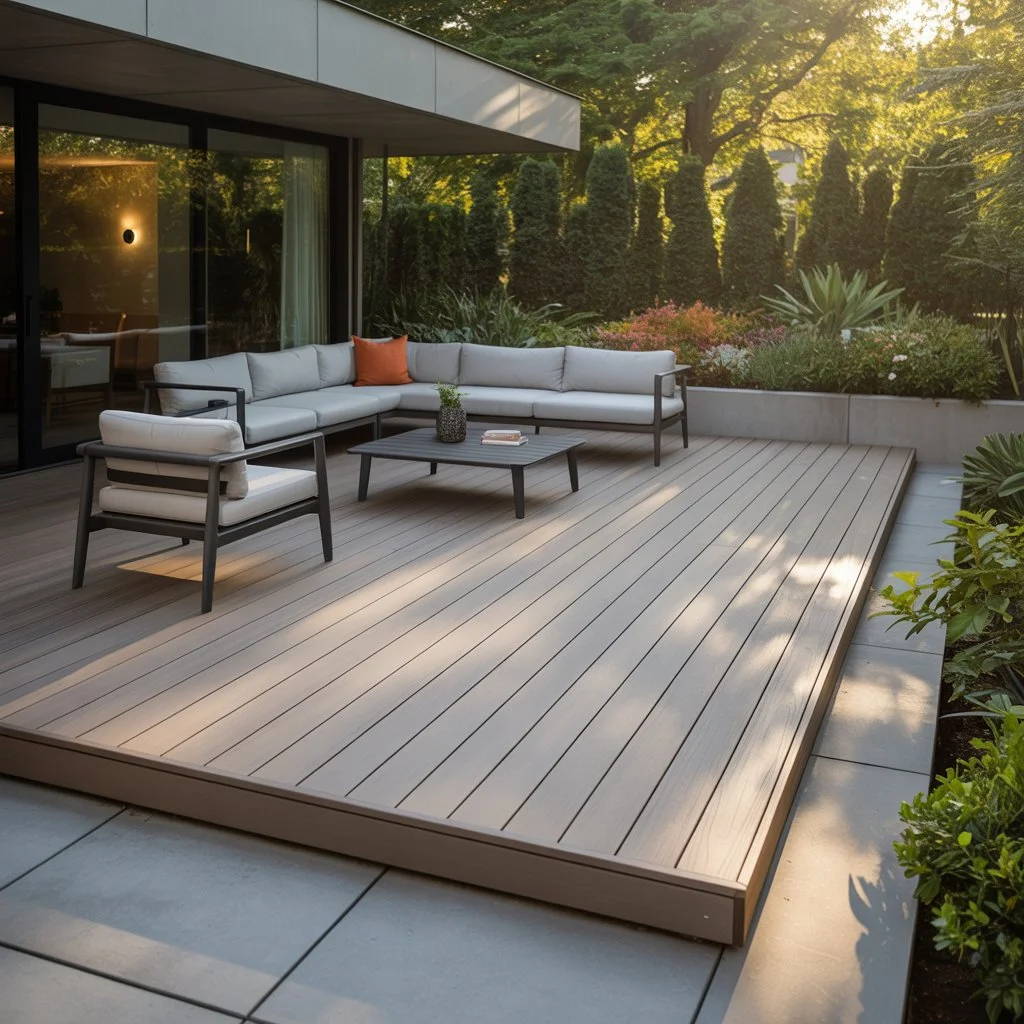
What type of base can boards be installed on without joists?
This is a key question. Not every base is suitable. If you’re planning direct installation, make sure the surface:
-
is stable and load-bearing (e.g. a concrete screed, firmly laid paving blocks or paving slabs),
-
is perfectly level – level differences should not exceed 2–3 mm over 2 metres,
-
has water drainage – a slope of approx. 1–2% away from the wall is recommended,
-
has been protected with moisture-proof insulation – building membrane, waterproofing or liquid membranes.
Direct installation on soil, grass or unbound aggregate is definitely not an option. The boards would quickly warp, sink and lose their attractive appearance.
How do you install composite decking boards without joists?
Ready to get started? Here’s the detailed installation process:
1. Preparing the base
Remove all dirt, dust and loose material. If the base needs any repairs, now is the time. Check with a spirit level that it is level, and ensure there is a suitable slope towards the water drain.
2. Waterproofing (optional, but recommended)
Apply a protective layer – for example, waterproofing membrane or liquid membranes – to protect the boards from moisture rising by capillary action.
3. Rubber pads
Although you are not using joists, it is worth placing rubber pads under each board – they will prevent contact with the damp surface and absorb any minor vibrations.
4. Fixing system
There are two options here:
-
Fixing clips with wall plugs – screwed directly into the concrete.
-
Screws with spacers – fixed through the board or through special mounting rails.
Remember to allow for:
-
gaps between the boards (approx. 2–3 mm),
-
gaps next to walls and edges (approx. 5 mm),
-
checking the level as you go.
5. Finishing
Cover the visible sides with finishing trims. You can also use aluminium angle sections for a better aesthetic effect.
Advantages and disadvantages of installation without joists.
Advantages:
-
lower overall cost (fewer materials),
-
quicker installation on a prepared surface,
-
lower terrace level – ideal for balcony doors,
-
a modern, minimalist look.
Disadvantages:
-
lack of ventilation may affect durability in the long term,
-
it is harder to hide imperfections in the surface,
-
if there are larger uneven areas, the boards may flex or warp.
The most common mistakes – and how to avoid them.
Don't learn from your own mistakes – learn from other people's 😉 Here are some common pitfalls:
- No expansion gaps – this can cause bulging or cracking in hot weather.
- Installing on an uneven surface – this leads to boards clattering and becoming unstable.
- No rubber pads – the boards come into contact with water and deteriorate faster.
- Using the wrong fixings – this can cause looseness and noise when walking.
Pay attention to the details – they make all the difference!
Is it worth installing composite decking boards without joists?
To sum up: if you have a suitable, solid and level surface, then absolutely – installing composite decking boards without joists can be a great option. You will save a bit of money and time, while the finished result will still be elegant and durable. But don't try to cut corners if the surface does not meet the requirements – in that case, traditional installation on joists will be safer and more long-lasting.
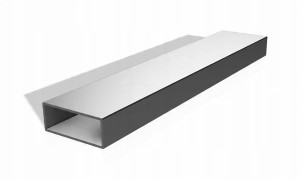
Rectangular aluminium tube 200x20x2 (PROFILE)
FENCING PROFILES
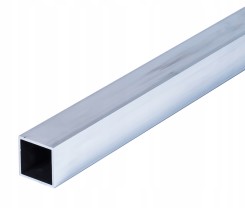
Square aluminium tube 80x80x2 mm, 6 metres (FENCE PANEL)
IDEAL FOR A FENCE PANEL
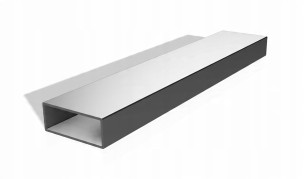
Aluminium rectangular tube 120x20x2 (PROFILE)
FENCING PROFILES
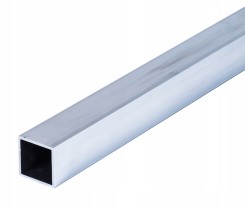
Aluminium square tube 60x60x2 mm, 6 metres (FENCE PANEL)
IDEAL FOR A FENCE PANEL



