
Thermo pine vs composite: pros and cons.
Thermo pine or composite? Discover a detailed comparison of these materials, including their disadvantages, advantages, durability, price and uses. Find out which material will work best for your project.

Are you wondering which material to choose for a decking area, façade or other outdoor features? Thermo pine and composite are two very popular solutions. Both materials have their strengths, but also certain limitations. In this article, we’ll take a close look at their advantages and disadvantages to help you make the best decision for your project.
What are thermo pine and composite?
Thermo pine is wood that has undergone a thermal modification process. This involves heating the wood in special chambers at temperatures reaching 180-220°C, without the use of chemicals. As a result, the wood gains increased resistance to moisture, fungi and biological damage, making it more durable than ordinary pine.
Composite, on the other hand, is a mixture of wood or bamboo fibres and polymers (plastics). It is a manufactured material that combines the benefits of natural wood (appearance) with the properties of plastic (durability, low water absorption). Composite is often used to make decking boards, fencing and façade cladding.
Comparing durability: thermo pine vs composite.
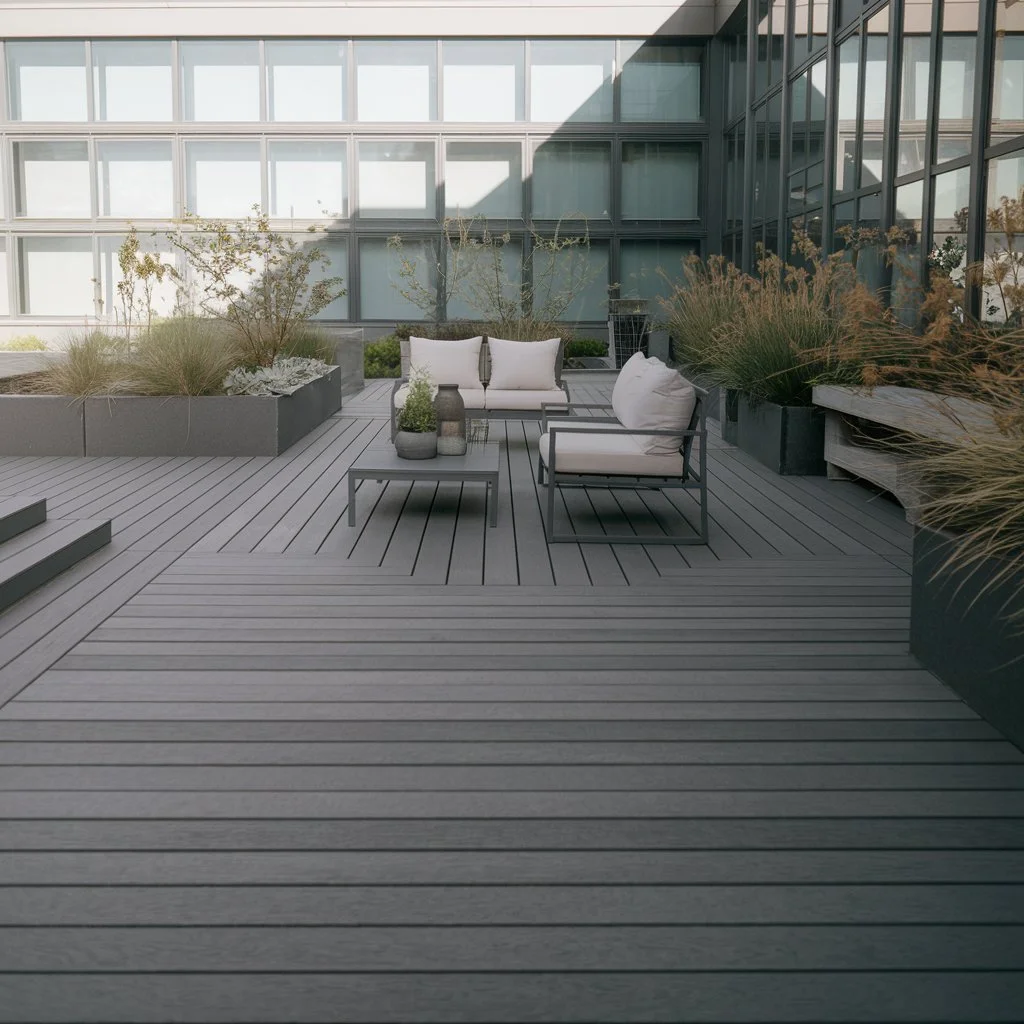
In terms of durability, composite is the clear winner. It is resistant to most weather conditions, whereas thermo pine requires regular maintenance to retain its properties. If you want a material that will last for years without requiring much work, composite is the better choice.
Comparing appearance.
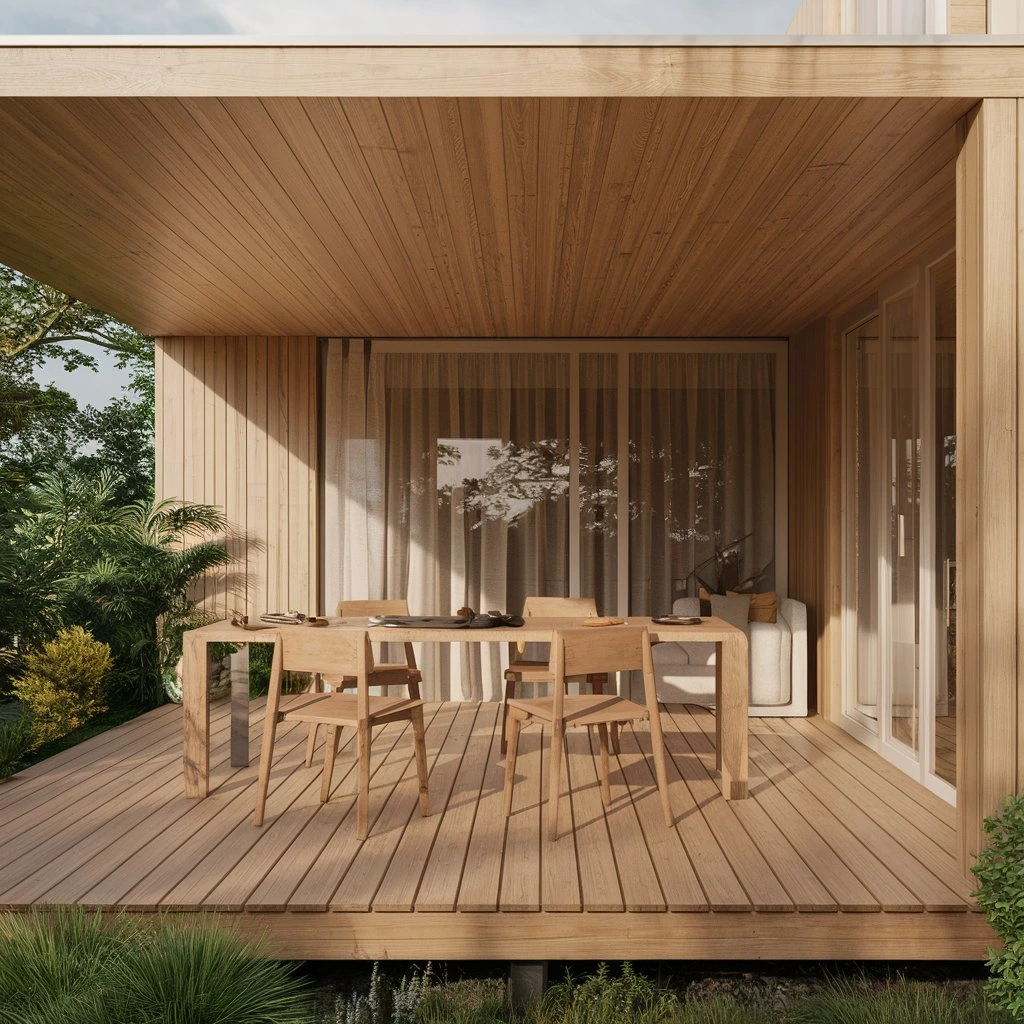
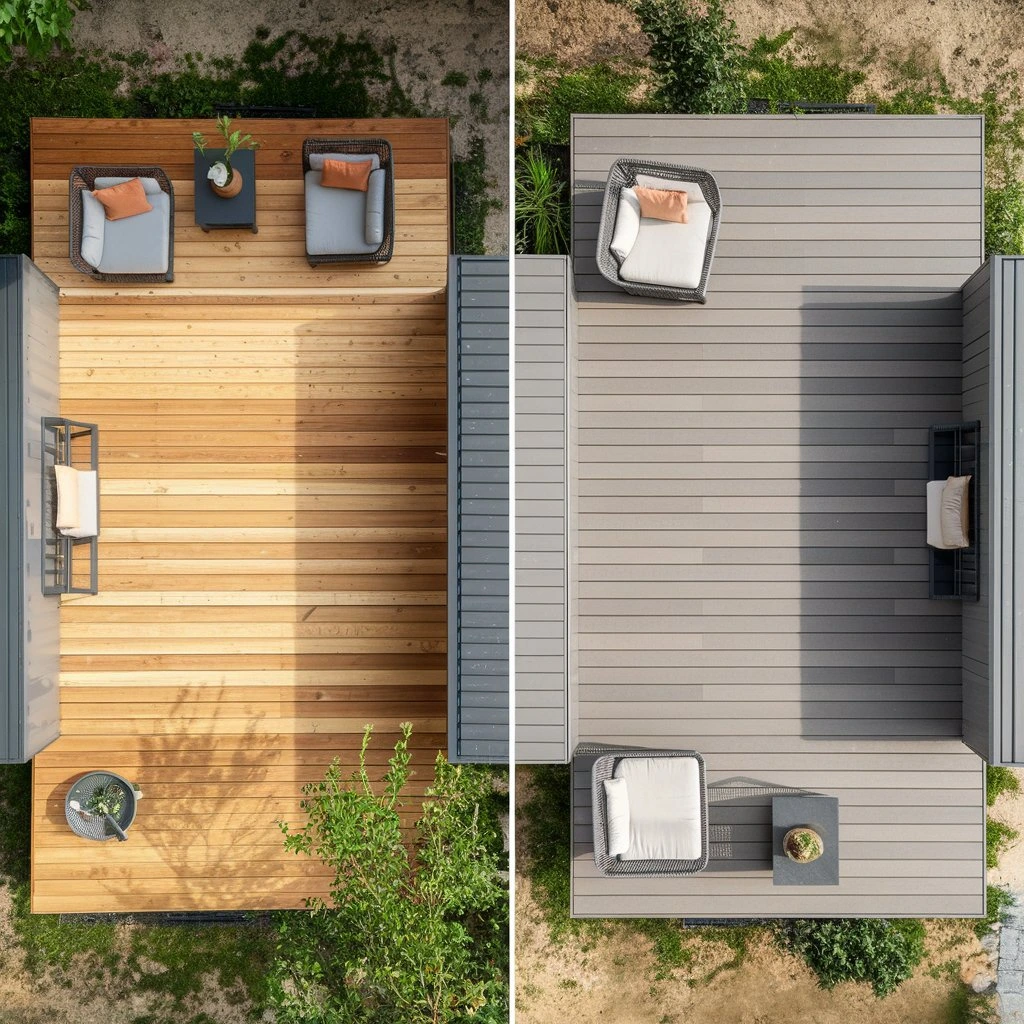
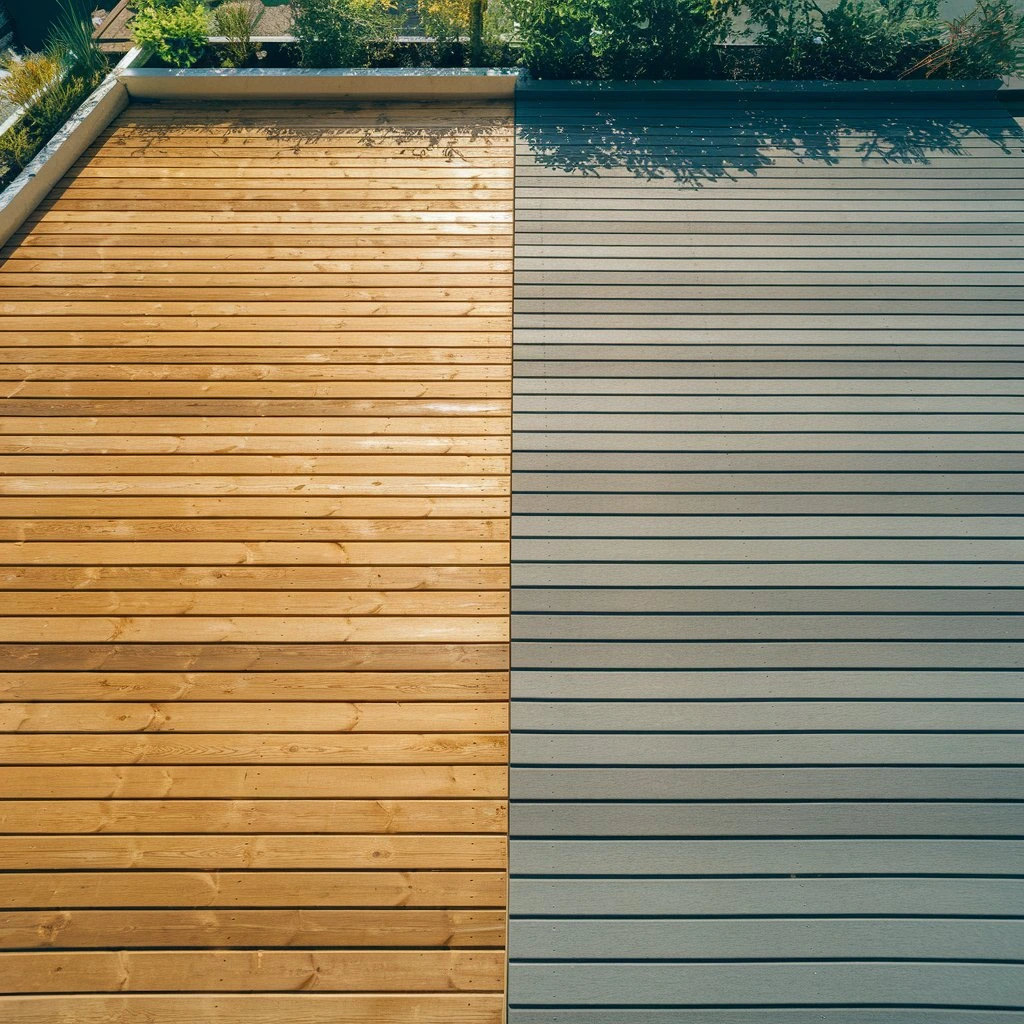
If you value a natural look, thermo pine is unrivalled. It has a warm, organic character that cannot be fully replicated in composite. Although composite is available in many designs, it often looks more “plasticky”.
Costs: thermo pine or composite?
Although the initial cost of thermo pine is lower than that of composite, maintenance costs can add up over time. Despite its higher purchase price, composite is practically maintenance-free, which may make it more cost-effective in the long run.
Applications: where are these materials suitable?
Thermo pine:
- Ideal for façades and decking areas where appearance is a priority.
- Can be used in covered areas, where it will be less exposed to rain and sunlight.
Composite:
- Excellent for decking areas, balconies and fencing in locations with high levels of sunlight or humidity.
- A great choice for commercial spaces where the material needs to be durable and easy to maintain.
Advantages and disadvantages of thermo pine.
Advantages of thermo pine:
- Natural appearance – Thermo pine retains the beautiful, natural appearance of wood, adding warmth and elegance to any space.
- Moisture resistance – The thermal process removes most of the moisture from the wood, making it less prone to rot and swelling.
- Environmentally friendly – Thermo pine is a completely natural and environmentally friendly material, with no added chemicals.
- Less susceptible to pests – The modification process makes the wood less attractive to insects and fungi.
- Dimensional stability – Thermo pine does not warp as easily as ordinary wood, making it an excellent choice for decking areas or façades.
Disadvantages of thermo pine:
- Cost – Thermo pine is more expensive than standard timber.
- Lower mechanical strength – During the modification process, the wood becomes more brittle and less resistant to impact.
- Requires treatment – Despite its greater resistance to moisture, thermo pine requires regular maintenance to retain its appearance and durability.
- Fading in sunlight – Without suitable treatment, the wood may turn grey.
Advantages and disadvantages of composite.
Advantages of composite:
- Durability – Composite is resistant to weather conditions, moisture, mould and insects. It requires no treatment or maintenance.
- Easy to maintain – Simply wipe it with water and detergent to keep it clean.
- Fade resistance – High-quality composite does not fade when exposed to UV rays.
- Safety – Composite decking boards often have an anti-slip surface, which is important for decking areas.
- A choice of colours and designs – Composite can be tailored to any project.
Disadvantages of composite:
- Artificial appearance – Compared with natural wood, composite may look less authentic.
- Initial cost – Composite costs more to buy than ordinary timber, although it may be more cost-effective in the long run.
- Sensitivity to high temperatures – When exposed to high temperatures, composite can heat up and warp.
- Recycling – Not all composites are fully eco-friendly, and their disposal can be more difficult than that of wood.
Which should you choose: thermo pine or composite?
The choice between thermo pine and composite depends on your needs and priorities. If you value a natural look and eco-friendliness, thermo pine will be an excellent choice. However, if you are looking for a durable, maintenance-free solution that will last for years in challenging conditions, composite will be the better option.
Frequently asked questions (FAQ).
1. Is thermo pine waterproof?
Thermo pine is more resistant to moisture than ordinary wood, but it still requires maintenance to retain its properties.
2. Can composite be painted?
No, composite does not need to be painted, as its colour is durable and does not fade.
3. Does composite heat up in the sun?
Yes, composite can heat up in high temperatures, especially in dark colours.
4. How long does thermo pine last?
With proper maintenance, thermo pine can last as long as 20-30 years.
5. Which material is more eco-friendly?
Thermo pine is more eco-friendly because it is a natural material.
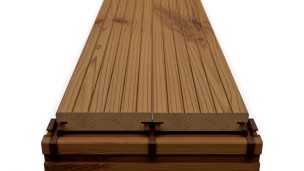
THERMO PINE CLIP decking board 26x117 RYFEL D5 - 3,90m
Price per 1 linear metre of board: 25,01 zł
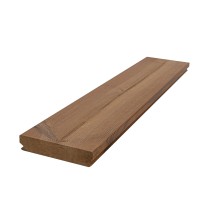
THERMO pine 26x117 Class AB smooth Thermo-wood
THERMO PINE 2,6x11,7x420 / 480 cm. Price per m2 199,99 zł.
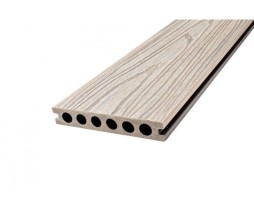
PREMIUM composite decking board 23x138 - 5,0 m
Price per 1 linear metre of board: 24,85 zł
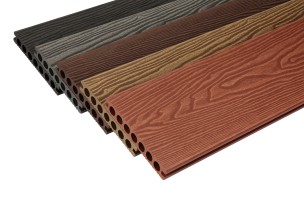
DUO composite decking board 23x148 - 5,8 m
Price per 1 linear metre of board: 21,30 zł



