
Why Does Composite Decking Discolour? The Most Common Causes of Stains and How to Remove Them.
Composite decking boards can become stained by grease, leaves, rust or chlorine. Find out about the most common sources of stains on WPC decking and discover effective, safe cleaning methods.

A composite decking (WPC) terrace is appealingly simple: less maintenance than timber, a lovely appearance, and no oiling every season. And then, wham — discolouration appears. Sometimes it looks like a greasy mark by the barbecue, sometimes like dark “shadows” left by leaves, and sometimes like rusty specks near a metal planter. You look at it and think: “I thought this was supposed to be composite, not a white shirt…”.
The truth is: composite decking boards can get dirty and may become discoloured too, because they are still a surface exposed to sun, water, dust and everyday life. The difference is that, with the right approach, most stains can be dealt with without drama — you just need to know what causes them and how to clean them without causing more damage.
What causes discolouration on composite decking boards?
WPC boards are a mixture of wood flour and plastic (plus additives). Depending on the type of board, you have:
- “Classic” WPC (uncapped) – more susceptible to dirt penetrating the surface layer,
- Capped WPC (so-called co-extrusion / capped) – better protected, but still not “indestructible”.
There is also something completely normal to consider: weather and UV. The sun can subtly change the shade of a board (usually during the first weeks/months of use), while dirt left for a long time “sticks” more firmly. And that is how you get the classic situation: the terrace looks great until barbecue season, planter season and autumn leaves arrive.
The most common sources of stains and discolouration on a WPC terrace.
1. Grease and oils (barbecues, food, sun-care products).
This is the absolute number 1. Grease penetrates micro-pores and leaves darker marks.
What does it look like? A dark, slightly “wet”-looking stain, sometimes sticky.
What helps?
- paper/towel immediately (don’t smear it, just blot it up),
- warm water + washing-up liquid (degreasing),
- a soft brush (not a wire brush),
- for old stains: a dedicated WPC cleaner/degreaser with a neutral pH (test it first in an inconspicuous area).
2. Leaves, needles, flowers, fruit (tannins and dyes).
Leaves and plants can release dyes, especially after rain. This can leave “shadows” or dark stains.
What does it look like? Brown/dark grey marks, often shaped like a leaf or a patch.
What helps?
- regular sweeping (it really does make a difference),
- water + a mild detergent,
- time and sunlight (some discolouration fades on its own after a few weeks),
- for heavy deposits: a cleaner for composite terraces.
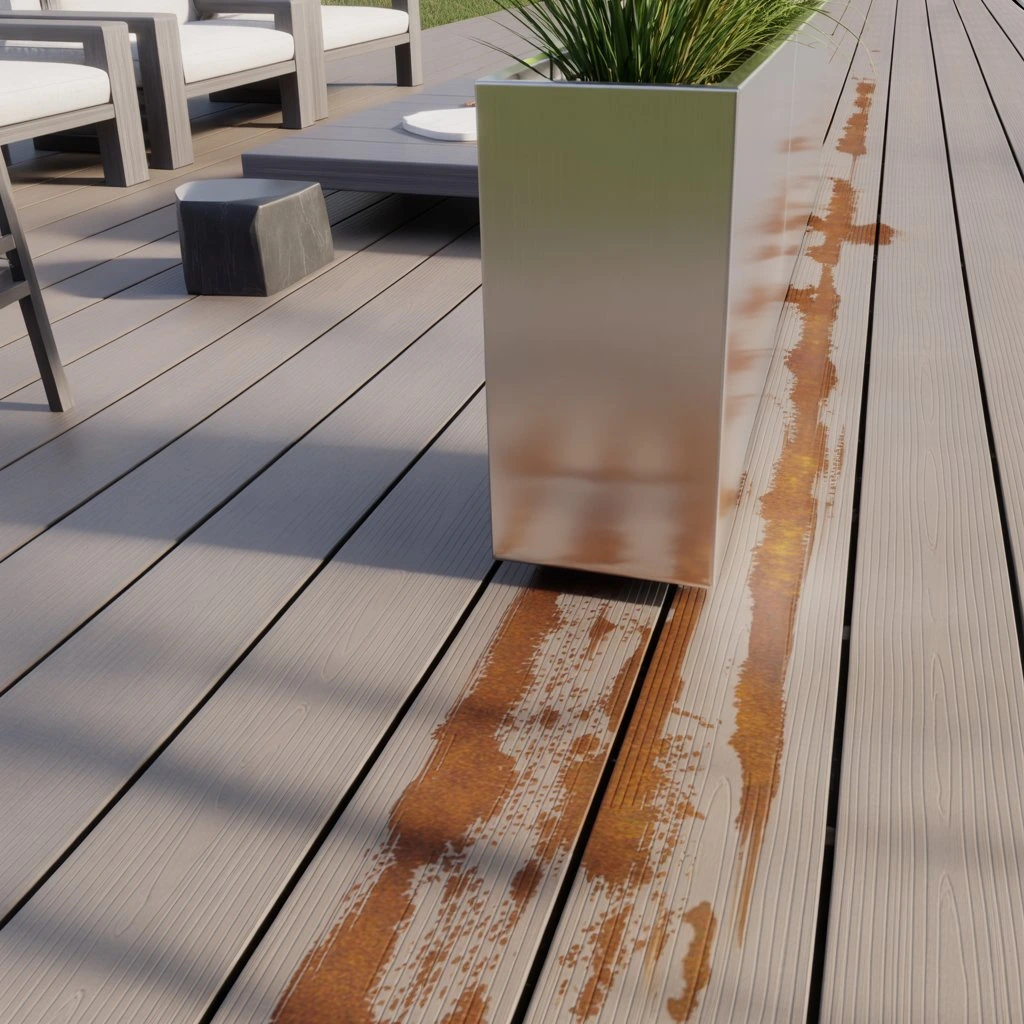
3. Rust (metal planters, furniture, tools, filings).
Rust-coloured specks on a terrace often do not come from the board, but from metal that has “shed” rust.
What does it look like? Rusty orange spots or streaks.
What helps?
- remove the source (pads under planters, feet under furniture),
- a gentle rust remover that is safe for WPC (spot-test it!),
- don’t use strong acids “blindly”, as you could discolour the board.
4. Water from planters and fertilisers.
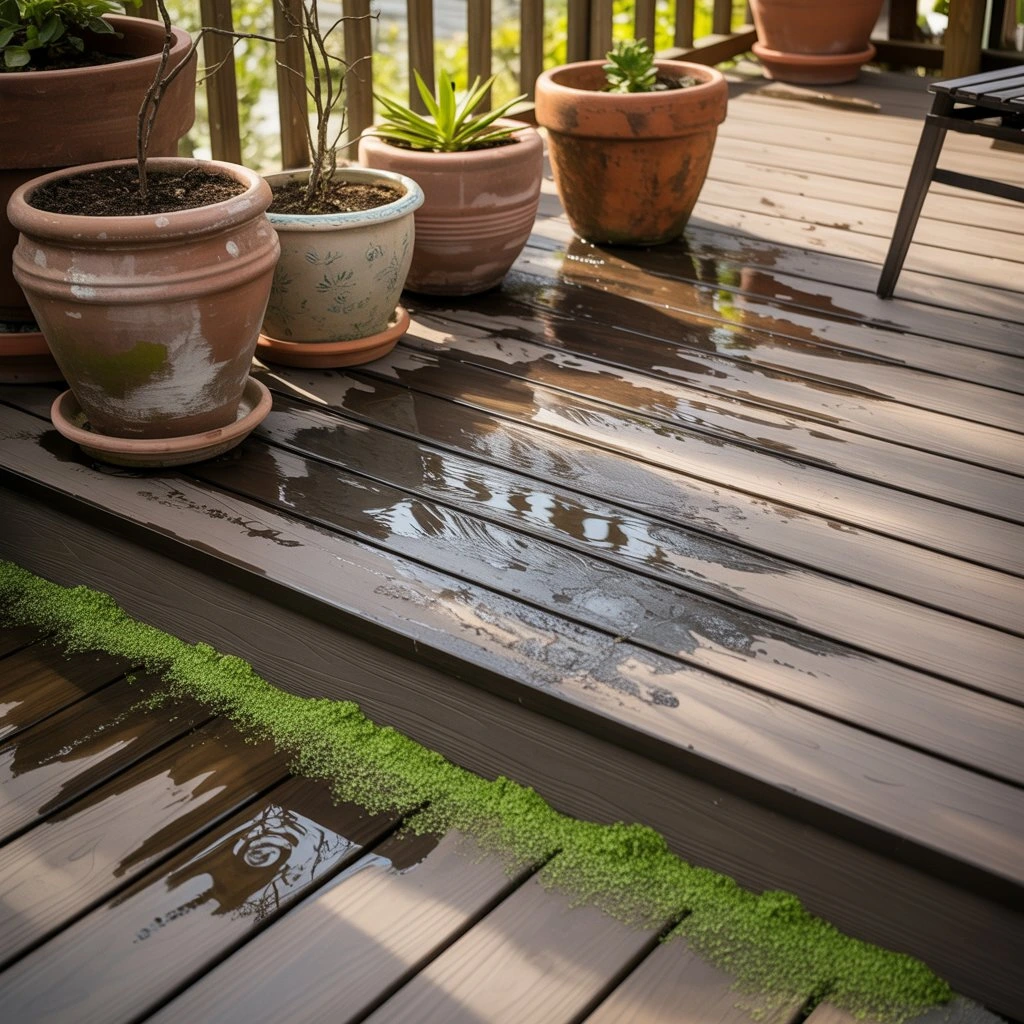
Planters are a silent killer of good looks: water from the soil, fertilisers and humus run off, and sometimes algae leave marks.
What does it look like? Dark streaks beneath a planter, sometimes with greenish deposits.
What helps?
- drainage saucers or a mat under the planter,
- periodically washing underneath planters,
- products for algae and deposits (ones approved by the WPC manufacturer).
5. Chlorine and pool chemicals.
Have a swimming pool or hot tub, or often clean your terrace with chemicals? Chlorine and some products can cause discolouration or “bleach” the surface.
What does it look like? Lighter patches, uneven colour, sometimes as if “burnt”.
What helps?
- rinse with water immediately,
- avoid pouring concentrate,
- use products specifically designed for WPC for cleaning.
6. Mould, algae, biofilm (shady and damp areas).
WPC is not ‘alive’ like wood, but dirt + moisture = ideal conditions for biological growth.
What does it look like? A green or blackish coating, a slippery film, especially in the shade.
What helps?
- brushing + detergent,
- use an algae treatment periodically (without chlorine bleach if the manufacturer advises against it),
- better ventilation beneath the decking (if possible) and maintaining a fall/drainage.
7. Hard water, iron, manganese (well water, sprinklers).
If you water with sprinklers using mineral-rich water, deposits and discolouration may form.
What does it look like? White streaks (limescale) or brownish marks (iron).
What helps?
- adjusting the sprinklers so they do not spray onto the decking,
- a limescale remover that is safe for WPC (test in an inconspicuous area),
- regular rinsing with clean water.
8. Construction dust, cement, mortar.
After renovation work, a coating can remain that looks like bleaching or grey dust that is ‘permanent’.
What does it look like? Grey coating, milky streaks, roughness.
What helps?
- remove it quickly before it ‘sets’,
- wash with water + a neutral detergent,
- if it is cement: use a specialist post-construction residue remover approved for WPC (always test it).
What should you avoid (to prevent a ‘cleaning stain’)?
- Wire scourers and harsh metal brushes – scratches mean dirt will get in more quickly.
- Strong acids and bleach without testing – they may discolour the board.
- Using solvents indiscriminately – risk of damaging the surface.
- Quick sanding – it often leaves a lighter ‘patch’ and makes things worse.
How to clean composite decking boards without making things worse?
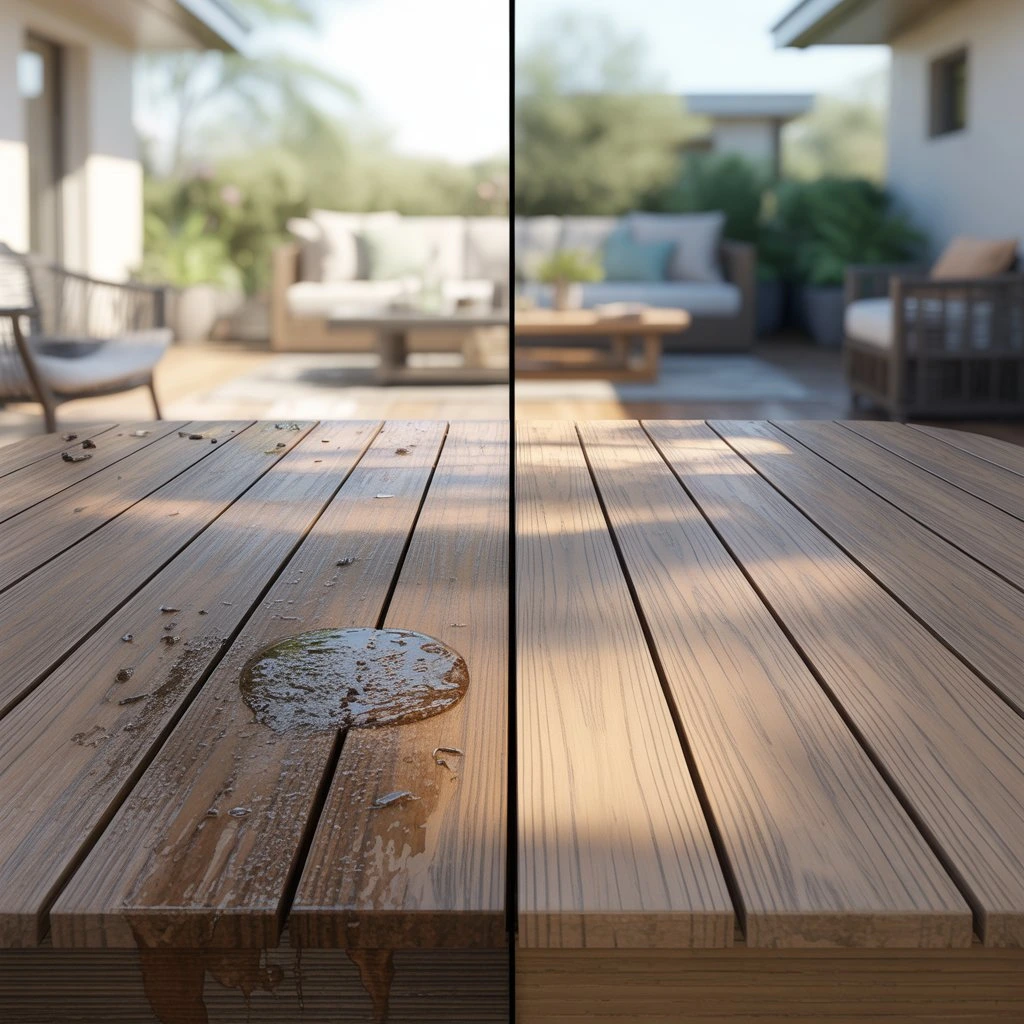
It is easy to fall into the trap of thinking: ‘I’ll use stronger chemicals; it’ll be quicker.’ Well… not always.
Rule 1: act quickly.
The fresher the stain, the easier it is to remove. Grease or leaves left for a week after rain become more deeply ingrained.
Rule 2: start with the gentlest method
Start with:
- water + washing-up liquid / mild detergent,
- a soft brush,
- rinsing.
Only then should you try stronger products.
Rule 3: clean in the direction of the grooves.
If the board is grooved, scrub along the grooves. Scrubbing across them makes it easier to push dirt into the surface texture.
Rule 4: pressure washer? Yes, but use it carefully.
It can help, but:
- do not direct the nozzle at one spot from close up,
- keep your distance,
- ideally use a fan nozzle,
- avoid excessively high pressure, as it can dull or damage the surface (especially on boards with a protective layer).
Quick checklist: how to prevent discolouration in future
- Sweep up leaves and pine needles regularly (especially in autumn).
- Put mats/pads under pots and move them occasionally when cleaning.
- Barbecue: use a protective mat + deal with grease promptly.
- Avoid sprinklers aimed at the decking.
- Wash the decking from time to time with a neutral WPC cleaner.
These are small things, but they make a difference — and you will not have to deal with a ‘stain of a lifetime’ afterwards.
In closing: composite is durable, but it is not magic.
Composite decking boards become discoloured mainly because the decking gets used: barbecues, pots, leaves, metal, water, chemicals. The most common sources of stains are grease, tannins from plants, rust, marks from pots, algae and minerals in water. A good routine (quick clean-up + gentle washing) takes care of most problems, while products specifically designed for WPC can help with more stubborn cases — provided they are used carefully.
FAQ.
Do discolourations on composite decking boards fade on their own?Some do (e.g. light marks from leaves), especially with exposure to sun and rain. Grease, rust and pool chemicals usually require cleaning.
Why is there a lighter patch after cleaning?Most often, you have cleaned one spot ‘right down to the surface’, while the rest of the decking still has a thin layer of dirt/patina. Sometimes the product was also too harsh. It is best to clean a larger area, not just one spot.
Do boards with a protective layer also get stained?Yes, but stains usually find it harder to ‘penetrate’ the surface texture. However, grease, rust and chlorine can still leave marks if left for too long.
What is the best cleaning product?The safest option is a neutral detergent + brush. If you need chemicals, choose products specifically designed for WPC and always test them in an inconspicuous area (different boards react differently).

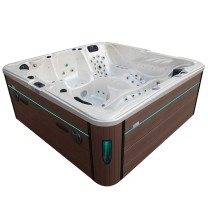
Garden hot tub SPA102 210x160 cm
Hot tub with audio and LED system
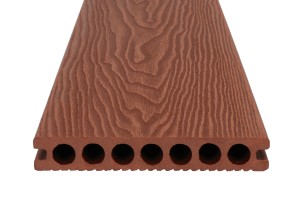
DUO composite decking board 23x148 - 2,25 m
Price per 1 linear metre of board: 21,30 zł
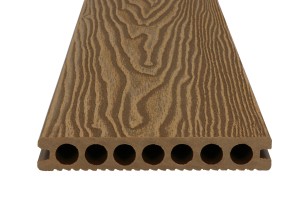
DUO composite decking board 23x148 - 2,9 m
Price per 1 linear metre of board: 21,30 zł



