Composite decking for a jetty – is it the best choice by the water?
Is composite decking suitable for a jetty? Discover the benefits of composite decking by the water, find out how to choose the right structure and see why WPC is an excellent choice for a jetty.
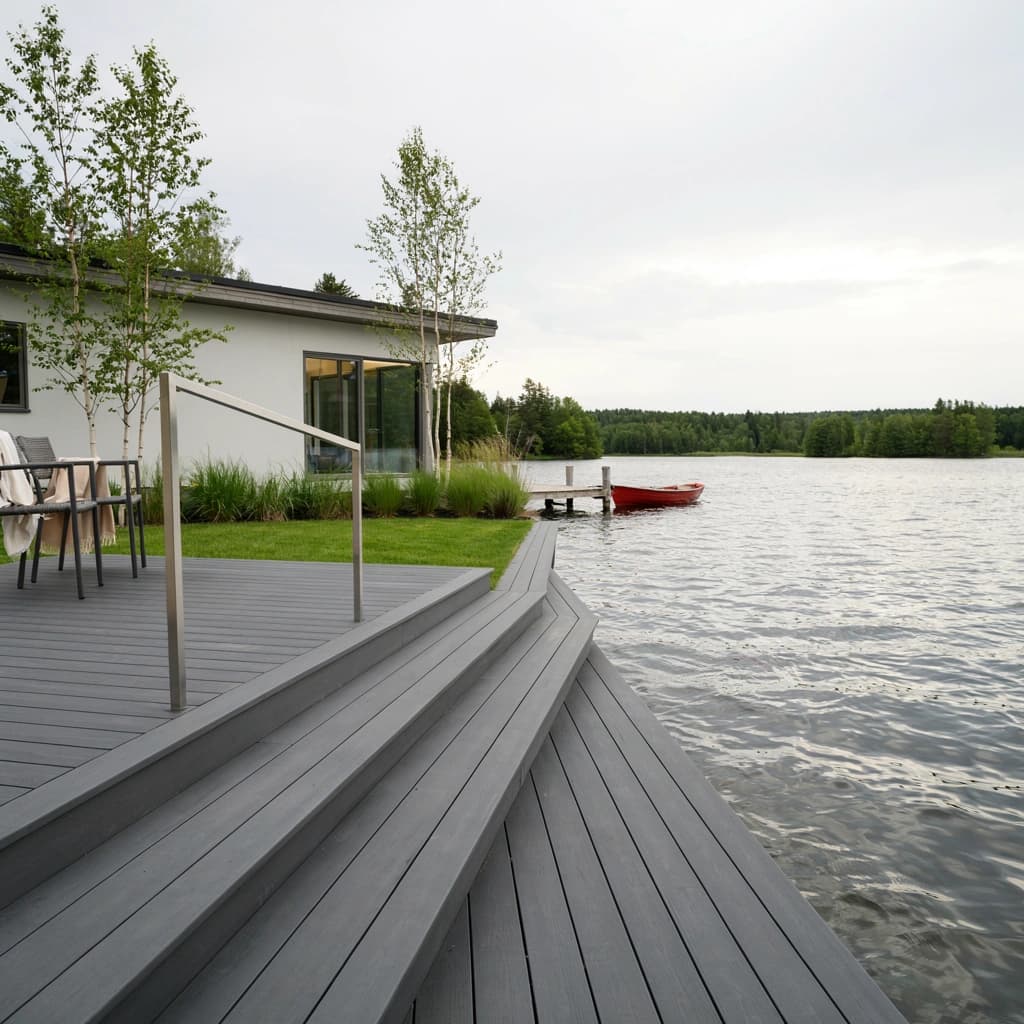
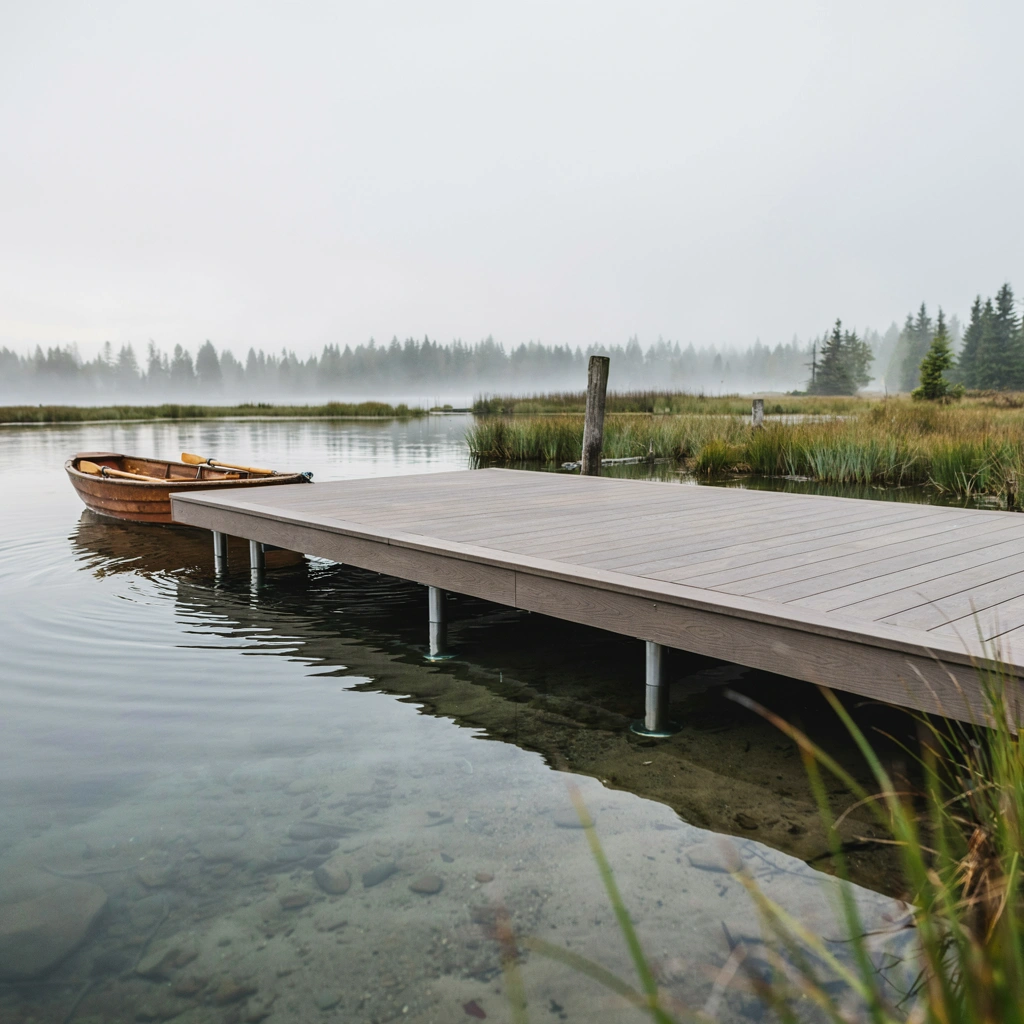
A jetty is exposed to exceptionally harsh conditions throughout the year. Constant contact with moisture, fluctuating temperatures, UV radiation, rainfall and frost mean that the material used to build it should be highly durable. Until recently, timber was the most popular choice, but composite deckingis now gaining popularity and also performs well right beside the water. Is composite decking for a jetty really the best choice? What are its advantages, and what should you bear in mind when designing and installing it? We answer the most important questions.
Why is choosing the right material for a jetty so important?
A jetty is exposed to much harsher conditions than a conventional deck. The structure is subject to constant moisture, frequent temperature changes, intense sunlight and contact with sand, mud and water. If you choose the wrong material, over time it may:
- crack,
- warp,
- require frequent maintenance,
- lose its attractive appearance,
- become slippery.
That is why more and more property owners are choosing composite decking, designed for years of outdoor use.
What is composite decking?
Composite decking is made by combining wood flour with modern polymers. This gives it the natural look of timber, together with high resistance to the elements. The main advantages of composite decking are:
- resistance to moisture,
- no need for impregnation,
- resistance to UV radiation,
- easy cleaning,
- long service life,
- an attractive appearance for many years.
This is why a composite decking jetty is increasingly popular with private property owners, holiday resorts and marinas alike.
Using a jetty safely.
A jetty should above all be safe. Modern composite decking boards have a grooved or brushed surface that improves grip underfoot. However, bear in mind that any material – timber or composite – can become slippery if covered with algae, mud or ice. It is therefore worth cleaning the jetty regularly and removing any debris.
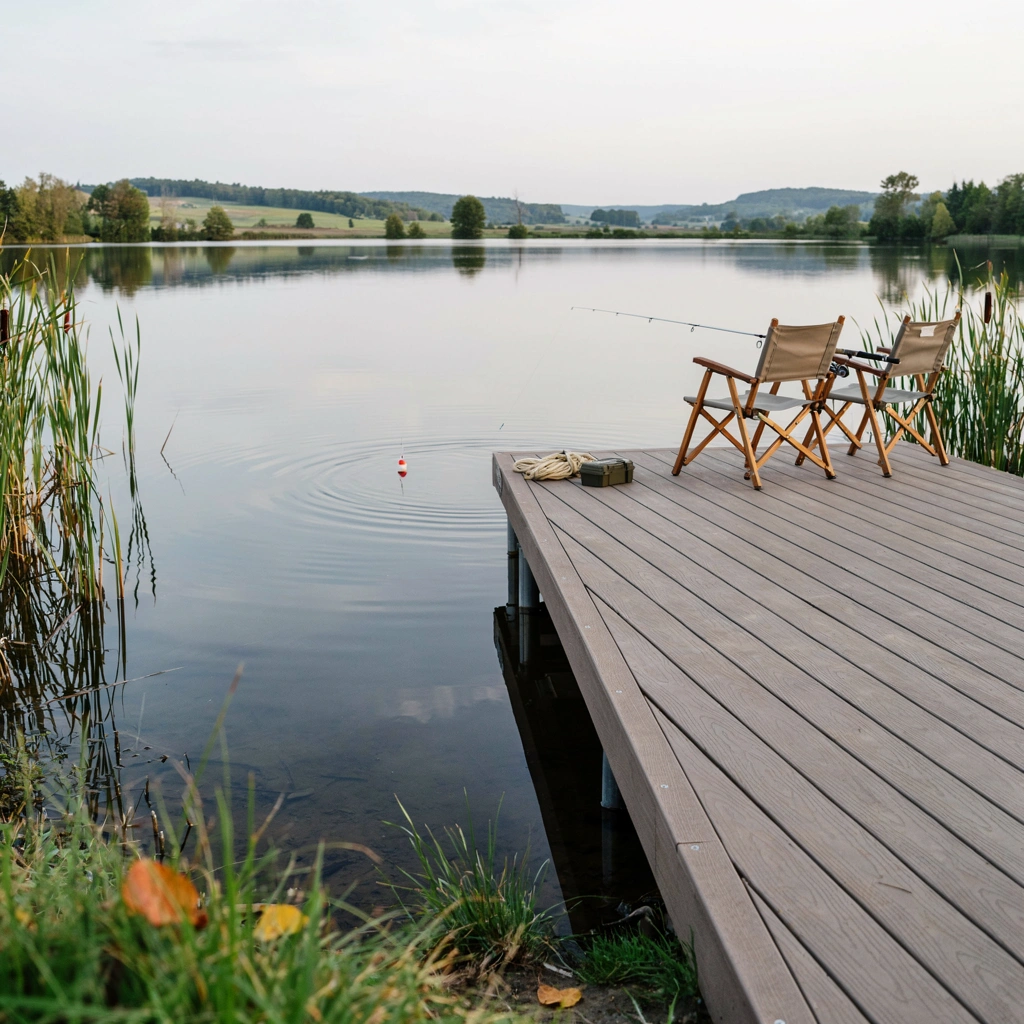
Is composite decking suitable for use by the water?
Yes. High-quality composite decking for a jetty is designed for outdoor use and performs very well in environments with high humidity. Unlike traditional timber, it:
- does not need annual impregnation,
- does not rot,
- is not attacked by insects,
- does not crack as easily due to temperature changes.
This means lower running costs and greater comfort in use.
The jetty structure is crucial.
Even the best composite decking cannot guarantee durability if the structure is not built correctly. When building a jetty, pay attention to:
- choosing suitable support posts,
- stable foundations,
- using corrosion-resistant components,
- correct joist spacing,
- adequate ventilation of the structure.
In environments with high humidity, aluminium joists, are particularly suitable, as they resist corrosion and provide high rigidity across the whole structure.
Which installation accessories should you choose?
When building a composite decking jetty, use only high-quality installation components. The best options are:
- stainless steel decking clips,
- A2 or A4 grade stainless steel screws,
- aluminium joists,
- matching finishing trims.
Complete systems from a single manufacturer ensure that all components are compatible and increase the longevity of your investment.
Does composite decking need maintenance?
One of the main advantages of composite decking for use by the wateris that it requires little maintenance. Unlike timber, it does not need to be:
- treated with preservative,
- painted,
- varnished,
- oiled.
To keep the jetty looking attractive, simply:
- regularly remove sand and leaves,
- wash the surface with water,
- use gentle cleaning products,
- check the condition of the structure.
Timber or composite decking?
This question comes up very often. Timber is admired for its natural appearance, but it needs regular maintenance and is more susceptible to moisture. Composite decking offers:
- greater resistance to water,
- easier maintenance,
- dimensional stability,
- a longer service life,
- lower maintenance costs.
For many property owners, this means greater comfort in use and fewer tasks to worry about in the years ahead.

Common mistakes when building a jetty.
A jetty’s durability depends not only on the material but also on how it is built. The most common mistakes are:
- incorrect joist spacing,
- no expansion gaps,
- using standard steel screws,
- inadequate drainage,
- no ventilation within the structure,
- using unsuitable substitute accessories.
Avoiding these mistakes significantly extends the service life of the entire jetty.
Does the colour of composite decking change by the water?
As with decking, composite decking for a jetty also goes through a natural colour stabilisation process. UV radiation may cause a slight change in shade. This is entirely normal and is taken into account by manufacturers. It does not affect durability or safe use.
How do you choose the right composite decking for a jetty?
Before buying, it is worth checking a few important specifications. Good-quality composite decking should have:
- high resistance to moisture,
- resistance to UV radiation,
- an anti-slip surface,
- adequate load-bearing capacity,
- compatibility with the manufacturer’s installation system.
Price should not be your only consideration. Higher-quality materials usually offer greater durability and more comfort in use.
Is a composite decking jetty a long-term investment?
Absolutely. If it is built using suitable materials and in accordance with the manufacturer’s recommendations, it can last for many seasons without the need for costly maintenance. The following are crucial:
- a robust structure,
- high-quality composite decking boards,
- suitable joists,
- professional installation,
- regular cleaning.
FAQ – Frequently asked questions.
Is composite decking suitable for a jetty?
Yes. High-quality composite decking for a jetty performs very well in environments with high humidity and is resistant to the elements.
Is a composite decking jetty slippery?
A grooved or brushed surface improves grip, but like any outdoor material, it can become slippery if covered with algae, mud or ice.
Does composite decking need treating with preservative?
No. This is one of the material’s main advantages. Regular cleaning and basic care are all that is needed.
Which joists are best for a jetty?
The most commonly recommended option is aluminium joists, which resist corrosion and perform very well in damp environments.
Summary.
Composite decking for a jetty is a modern solution that works perfectly by lakes, ponds and rivers, and at marinas. Its high resistance to moisture, low maintenance requirements and attractive appearance mean that more and more people are choosing composite materials over traditional timber.
However, if you want your jetty to last for many years, remember that the composite decking board is only part of the equation. A sturdy substructure, suitably selected joists, stainless steel fixings and professional installation are just as important. By investing in a complete system and high-quality materials, you can create a durable, safe and attractive jetty that will withstand the demanding conditions by the water.
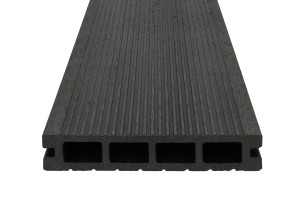
SELECT composite decking board 25x140 - 2.25 m
Price per 1 linear metre board: 17.27 zł
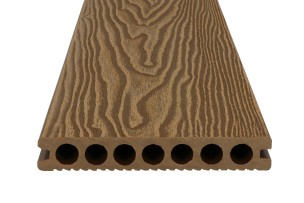
DUO composite decking board 23x148 - 4.0 m
Price per 1 linear metre board: 21.29 zł
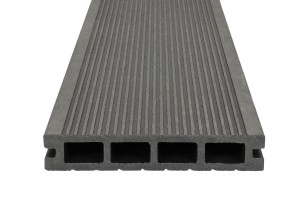
SELECT composite decking board 25x140 - 2.9 m
Price per 1 linear metre board: 17.27 zł
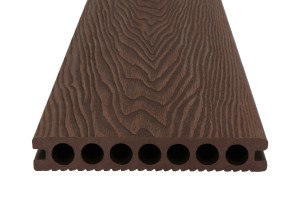
DUO composite decking board 23x148 - 3.5 m
Price per 1 linear metre board: 21.30 zł